
Overview
Over the past ten years, the Australian auction market has been led by Brett Whiteley. He appears more often, sells for higher prices, and has achieved greater total sales than anyone else.
In addition, in the past few weeks of analysing the market, several other names keep reappearing. Fred Williams and Sidney Nolan deliver on amount of sales, while John Peter Russell, Arthur Streeton, and Russell Drysdale are responsible for some of the decade’s highest prices.
This week, we’re rounding out that picture with a look at the top male Australian artists. These are the names that consistently move the market. It’s a group dominated by mid-century and earlier painters, so expect a recurring mix of outback horizons, scrubland palettes, and atmospheric light.
Methodology
I reviewed the top 20 artworks from each year from 2015 to 2024 — 200 artworks in total. Together they generated $239m in sales, averaging just under $1.2m per work.
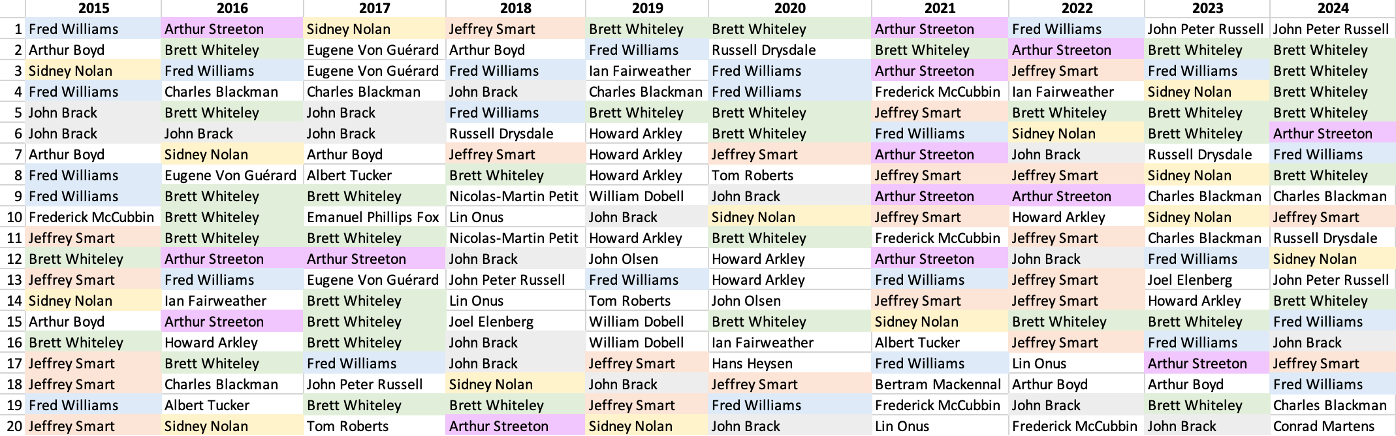
Across the decade, 25 artists appear at least once:
Market leaders: Brett Whiteley (37); Fred Williams (25); Jeffrey Smart (23); John Brack (18); Sidney Nolan (14); Arthur Streeton (14)
Established core: Howard Arkley (9); Charles Blackman (8); Arthur Boyd (7); John Peter Russell (5); Frederick McCubbin (5); Lin Onus (4); Ian Fairweather (4); Eugene Von Guérard (4); Russell Drysdale (4)
Two or three appearances: Albert Tucker (3); Tom Roberts (3); William Dobell (3); John Olsen (2); Nicolas-Martin Petit (2); Joel Elenberg (2)
One appearance: Hans Heysen; Bertram Mackennal; Conrad Martens; Emanuel Phillips Fox
The Market Leaders
The core of Australia’s top-performing male artists cluster into a 20-year birth window, from Sidney Nolan (1917) to Brett Whiteley (1939). Collectors show a strong bias toward modernist, mid-20th-century works, especially of the Australian outback.
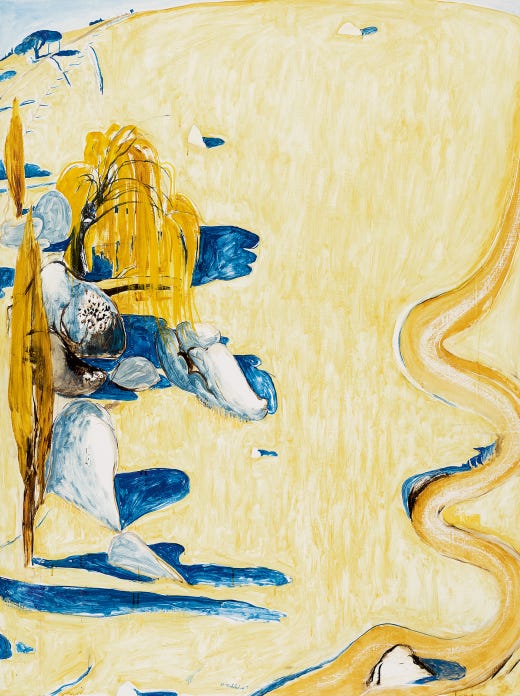
Brett Whiteley is dominant with 37 appearances, $55.9m in sales, and a huge $1.51m average for those works. No one comes close in frequency or value. He brought a loose, expressive energy to landscapes, interiors, and figures, making his work instantly identifiable.
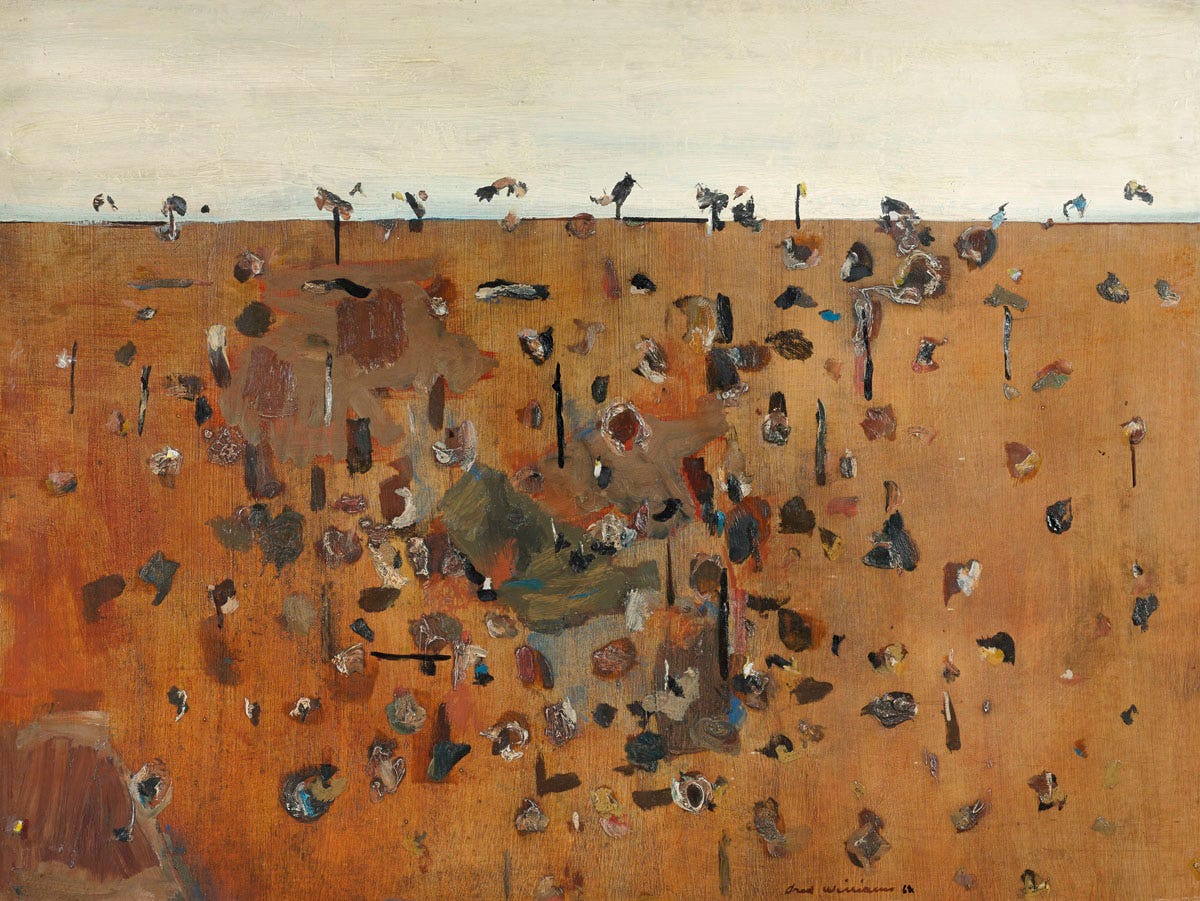
Fred Williams is the clear runner-up with 25 appearances, $32.3m in sales, and steady demand across the decade. His landscapes reduce the bush to patterns and textures, creating a distinctly modern vision of Australia.
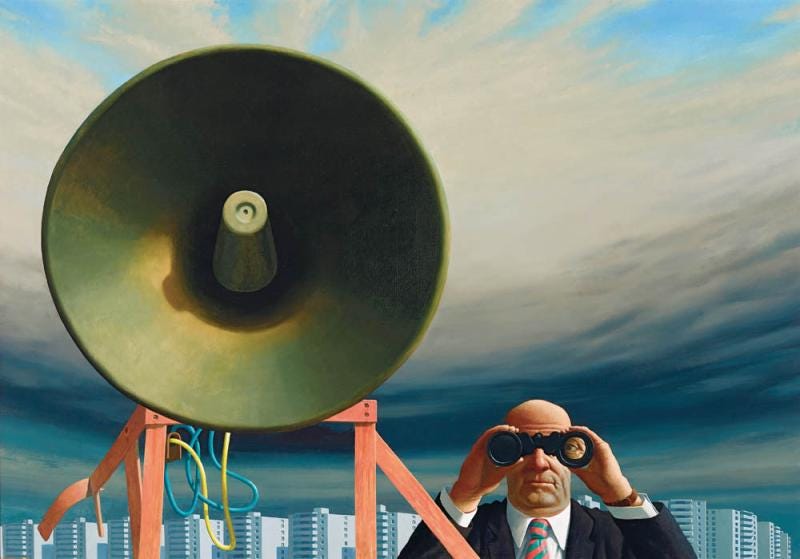
Jeffrey Smart (23 appearances; $20.1m) and John Brack (18 appearances; $16.7m) form a consistent mid-century duo, born only a year apart. Although they average under $1m per work, their distinct visions of Australian life continue to resonate with collectors.
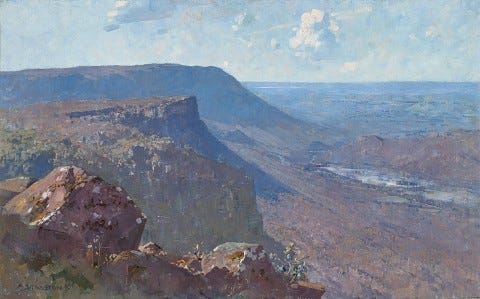
Sidney Nolan ($17.3m) and Arthur Streeton ($17.6m) average over $1.2m per work, placing them among the most valuable names despite fewer appearances than Smart and Brack. Each helped shape Australia’s visual identity through iconic depictions of the outback. Streeton is the one artist amongst the market leaders who is outside that 1910s-1930s birth window.
Big Hitters & Rising Stars
I initially looked for artists who appeared more often in 2020 – 2024 than in 2015 – 2019, hoping to find genuine rising stars. But those who did increase mostly reflect scarcity, not momentum.
Instead, what stands out is a group of Big Hitters who appear rarely in the top 20 but land among the most expensive works in the country:
John Peter Russell: 5 works and the highest average at $2.1m, reflecting his place at the centre of the Impressionist world in Paris.
Russell Drysdale: Only 4 works, but averaging over $1.8m each. Demand is strong, but supply of his major works is limited.
Eugene Von Guérard: one of the earliest names on the list (born in 1811). His 4 works that have made the list averaged over $1.6m each.
If anyone qualifies as Rising Stars, it’s Jeffrey Smart and Arthur Streeton, both of whom increased their presence by around 1.6x - 1.8x in the second half of the ten year period. But they are already blue-chip names rather than the emerging or mid-career artists I was hoping to see break through.
Contemporary Gap
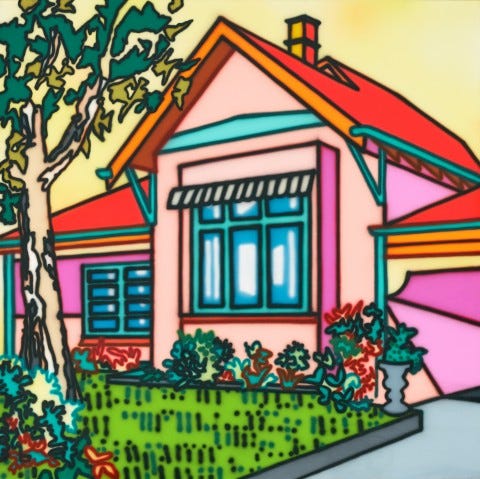
With the exception of Howard Arkley, there are very few contemporary male artists consistently making it into the top 20. Of those artists born after 1945, Arkley is joined by Lin Onus, and Joel Elenberg on this list. I would have expected to see an upward trend for these relatively young artists, but, surprisingly, they showed no increase in the number of appearances in 2020-2024 compared to 2015-2019. And there were no other breakout contemporary names.
Other contemporary artists who do regularly reach six-figure results include Tim Storrier, John Kelly, Ben Quilty, and Rick Amor, but none have yet pushed into the top 20 for sales.
How this evolves will be worth watching. For now, Australia’s top end remains rooted in mid-century and colonial painters.
Market Concentration and Price Trends
As with the broader market, the very top end shows extreme concentration:
Whiteley alone accounts for nearly a quarter of all sales in the top 200.
Add Williams, Smart, Brack, Nolan, and Streeton, and the top six together contribute around two-thirds of total sales in the top 200.
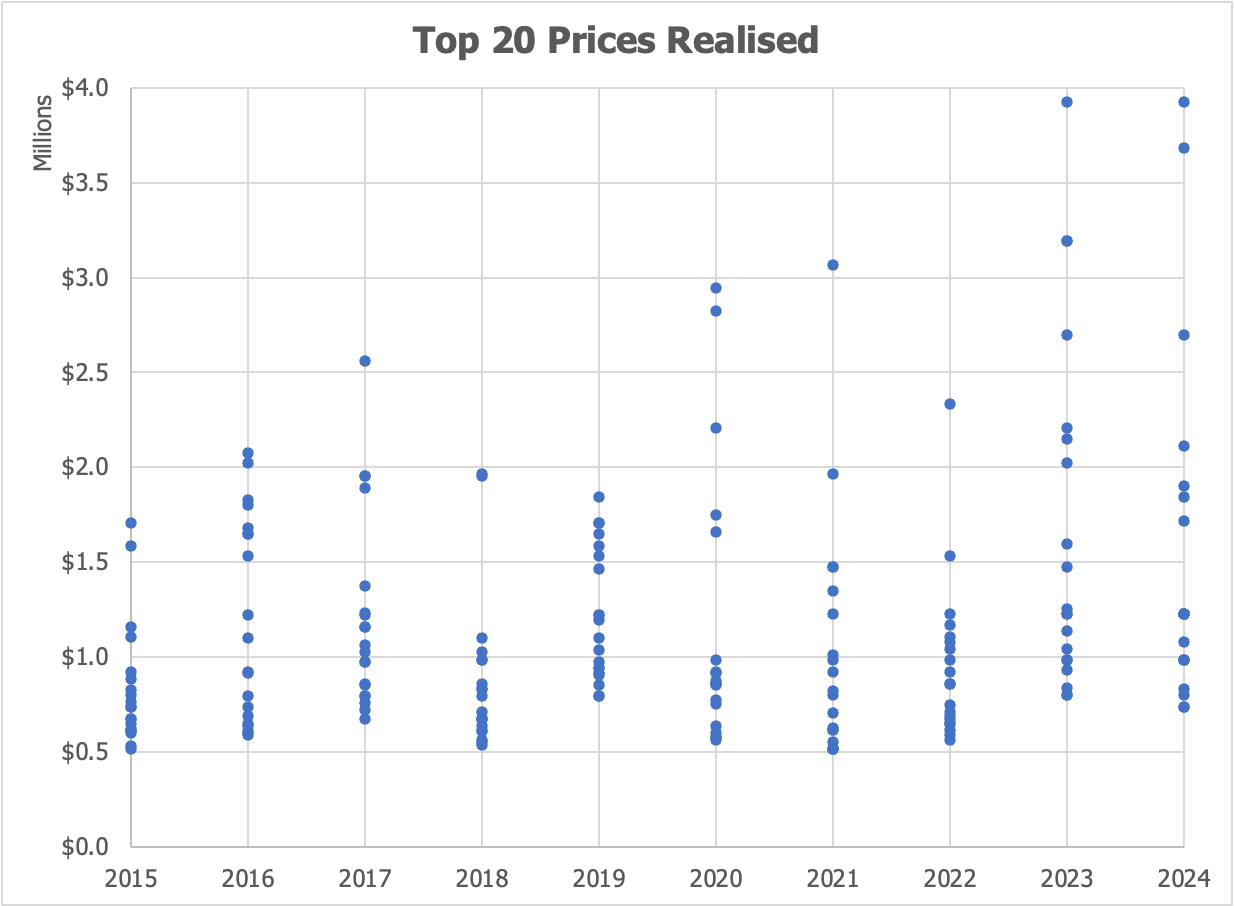
When looking at prices, outliers can distort the view, but mapping the top 20 results each year gives a clearer sense of how the market has moved.
A few key observations stand out:
2020 was an unusual year (and not just because of COVID): Whiteley’s Henri’s Armchair set a $6m record, alongside a few other works nearing $3m, despite relatively few sales of $1m+ artworks overall.
2023 was exceptional for top tier sales, and although 2024 didn’t quite match it, it still ranked as the second best year ever for $1m+ works sold.
In the 5 years between 2015 and 2019 only 3 works sold for $2m+ . That number was beaten in 2024 alone, and a total of 17 works sold for $2m+ between 2020 and 2024.
The lower bound of the top 20 has risen over time, signalling stronger competition at the entry point into the top end of the market.
Taken together, the trends show a market that is strengthening from both ends. The standout works are achieving unprecedented prices, and even the lowest-ranked entries in the top 20 are becoming more expensive, a sign of deeper competition and sustained demand at the high end.
Big Picture
When you organise a decade of sales into meaningful groups, clear stylistic and historical patterns emerge. We began with 25 artists who appeared in the top 20, but once the results are broken into categories, whether defined by era, style, or sustained market presence, a more coherent picture forms. The clusters that emerge reflect the movements and themes that continue to shape collector taste today.
What follows is a distilled cheat sheet of the artists who matter most: the names that define the structure and story of the Australian auction market.
The Standout: Brett Whiteley sits alone at the top of the market, best known for his sweeping Sydney Harbour views and expressive interiors that have become some of the most recognisable images in Australian art and has set the record multiple times for prices realised.
Mid-20th Century Modernists: Fred Williams, Sidney Nolan, Russell Drysdale; Arthur Boyd offer four different interpretations of the outback, all highly bankable, and whose works feature regularly in the top 20.
Figurative and Narrative Modernists: Jeffrey Smart, John Brack, Charles Blackman, and Albert Tucker form a distinct stream of mid-century modernism focused on urban life, psychological tension, and expressive figurative worlds, setting them apart from the landscape-driven modernists of the same era.
Abstract & Expressionist Modernists: Though they appeared less often in the top 20 results, Ian Fairweather and John Olsen are key post-war figures whose expressive, gestural abstractions form an essential strand of Australian modernism.
The Impressionists: John Peter Russell, rooted in the Paris circle, and Arthur Streeton, Frederick McCubbin, and Tom Roberts representing the Heidelberg School, often called the Australian Impressionists.
Contemporary Voices: Howard Arkley and Lin Onus — two of the few contemporary figures to appear on the list, with Arkley’s bold suburban pop imagery and Onus’s blend of realism and cultural symbolism standing apart from the mid-century and historical artists dominating the rest of the market. Tim Storrier, while not featured in the top 200, is another contemporary painter whose work remains highly sought after.
Taken together, these groups reveal the core structure of the Australian auction landscape. While each category plays a role, the mid-century modernists (Whiteley, Williams, Nolan, Drysdale, and Boyd) remain the central force, driving both volume and value at the very top end. But understanding the broader mix around them gives collectors a clearer sense of how the market fits together, and which names truly matter.
An excellent overview of the Australian art auction market.