
In the auction world, one of the simplest measures of success is the sell-through rate: the percentage of auction lots that actually sell. And, when every lot in an auction sells, it is known as a “white glove” auction, an outcome that every auctioneer hopes for.
The same idea can be applied to individual artists. If an artist’s works consistently sell when they appear at auction, it can be a useful measure of how much demand there is for that artist’s work. In other words, how “hot” that artist is currently.
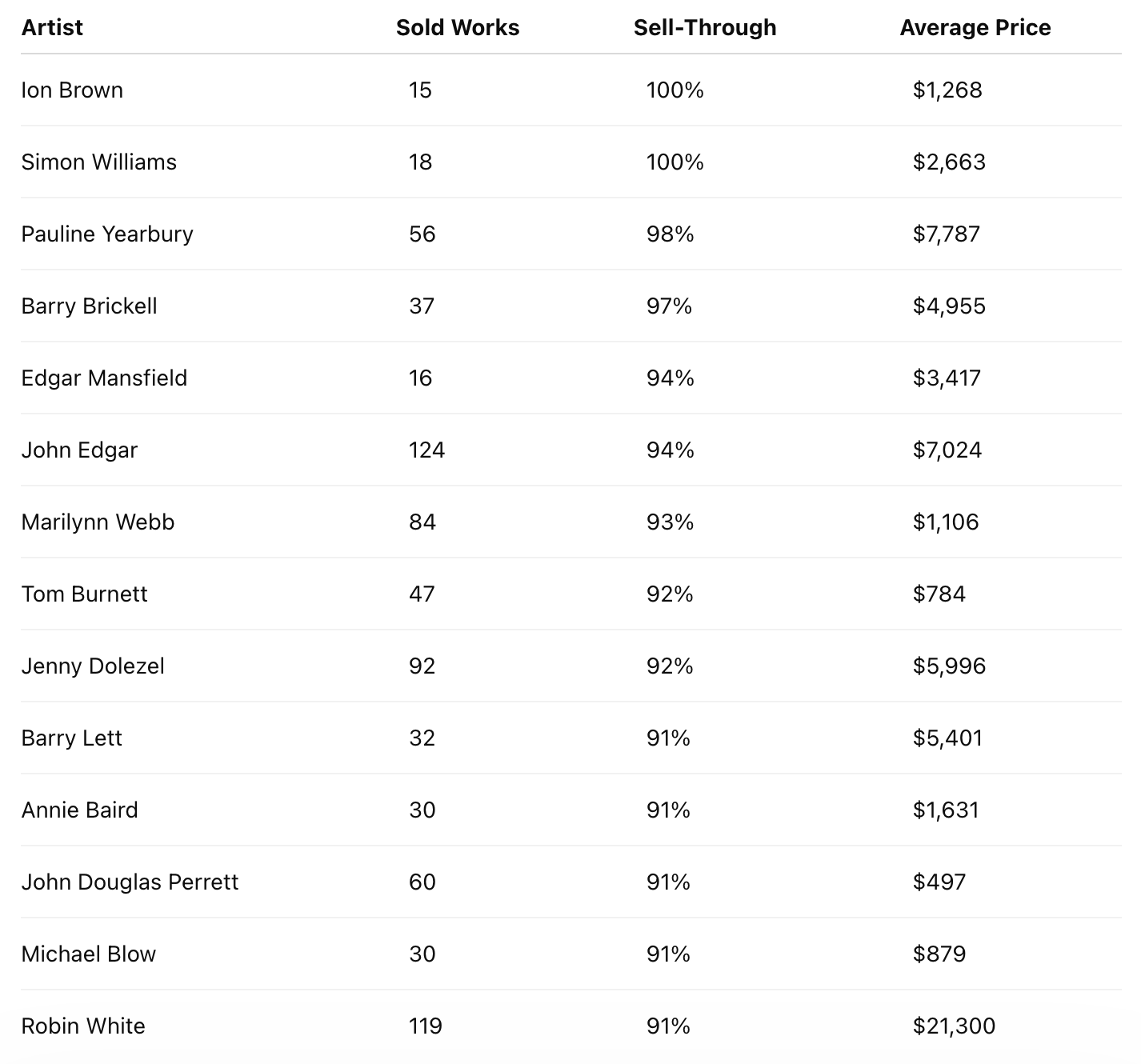
Below, I’ve looked back over the past five years of auction results to identify 14 artists with especially strong sell-through rates.1 What makes the list interesting is that these are not all high-priced trophy artists. The median artist on the list has an average sale price of roughly $3,000, meaning many of these artists remain accessible to collectors who are not chasing six-figure works.
What stands out
First, as I’ve written about previously, Pauline Yearbury and Jenny Dolezel continue to look like two of the hotter names in the secondary market. Both have had a meaningful number of works come to auction over the past five years, and both have maintained very high sell-through rates.
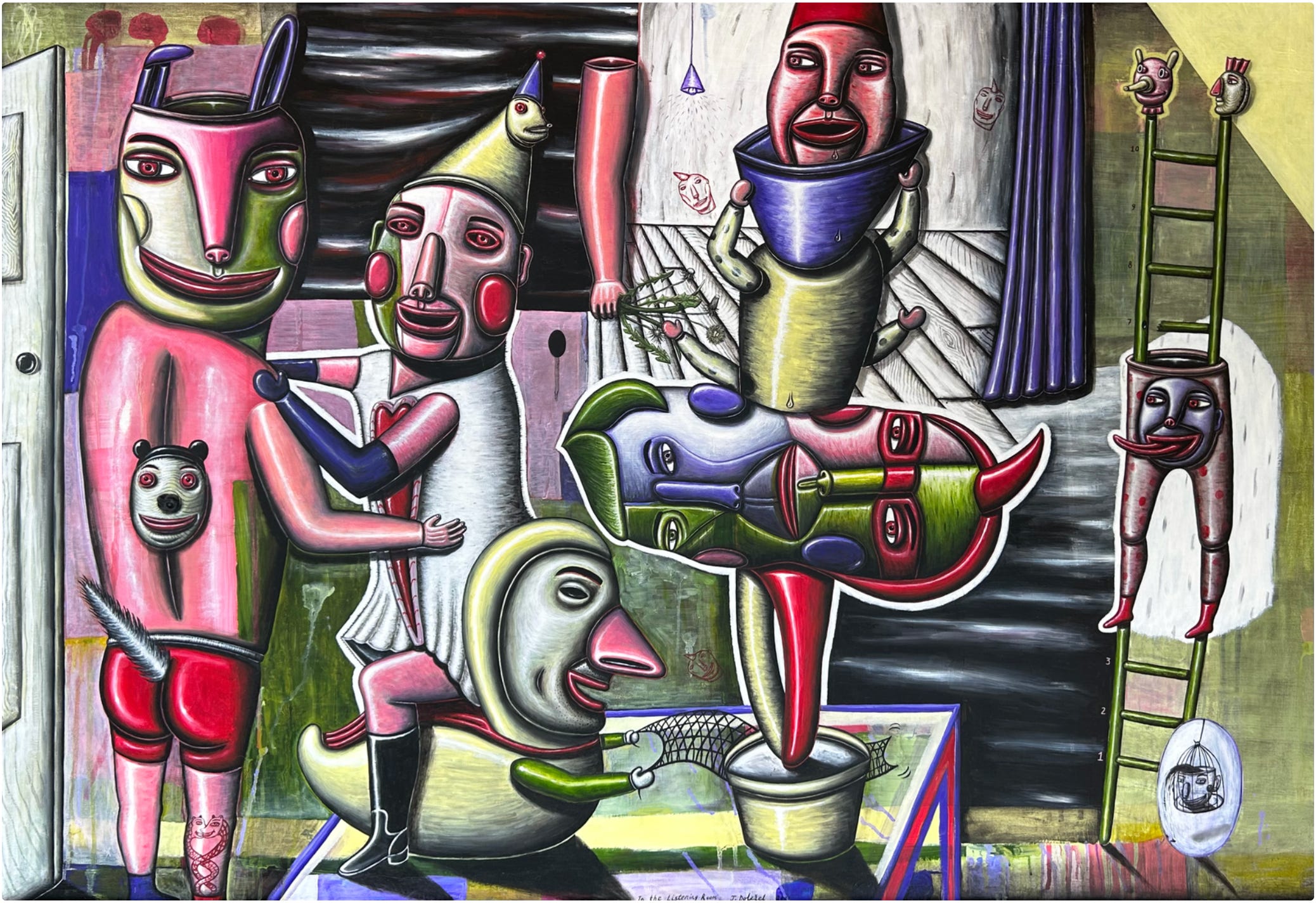
There was a sharp increase in the number of Yearbury works appearing on the secondary market in 2024, which continued into 2025. Dolezel’s works, meanwhile, have steadily increased in price over the five-year period, although the market appears to have softened slightly in 2025.
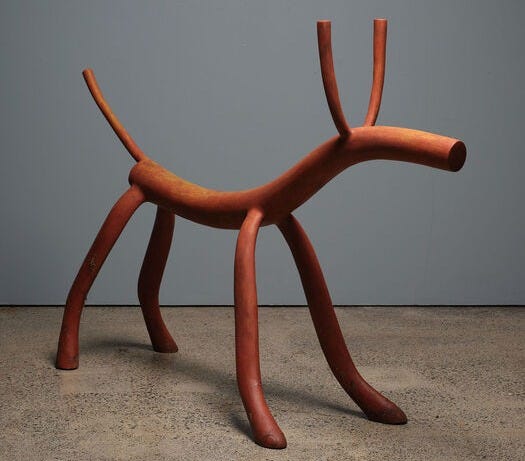
Second, several of the strongest names are artists working in three dimensions. Barry Lett, Barry Brickell, Edgar Mansfield, and John Edgar all appear on the list. Lett’s sculptural dogs have been especially popular, while Brickell’s terracotta works, Mansfield’s bronzes and Edgar’s stone works have also found willing buyers.
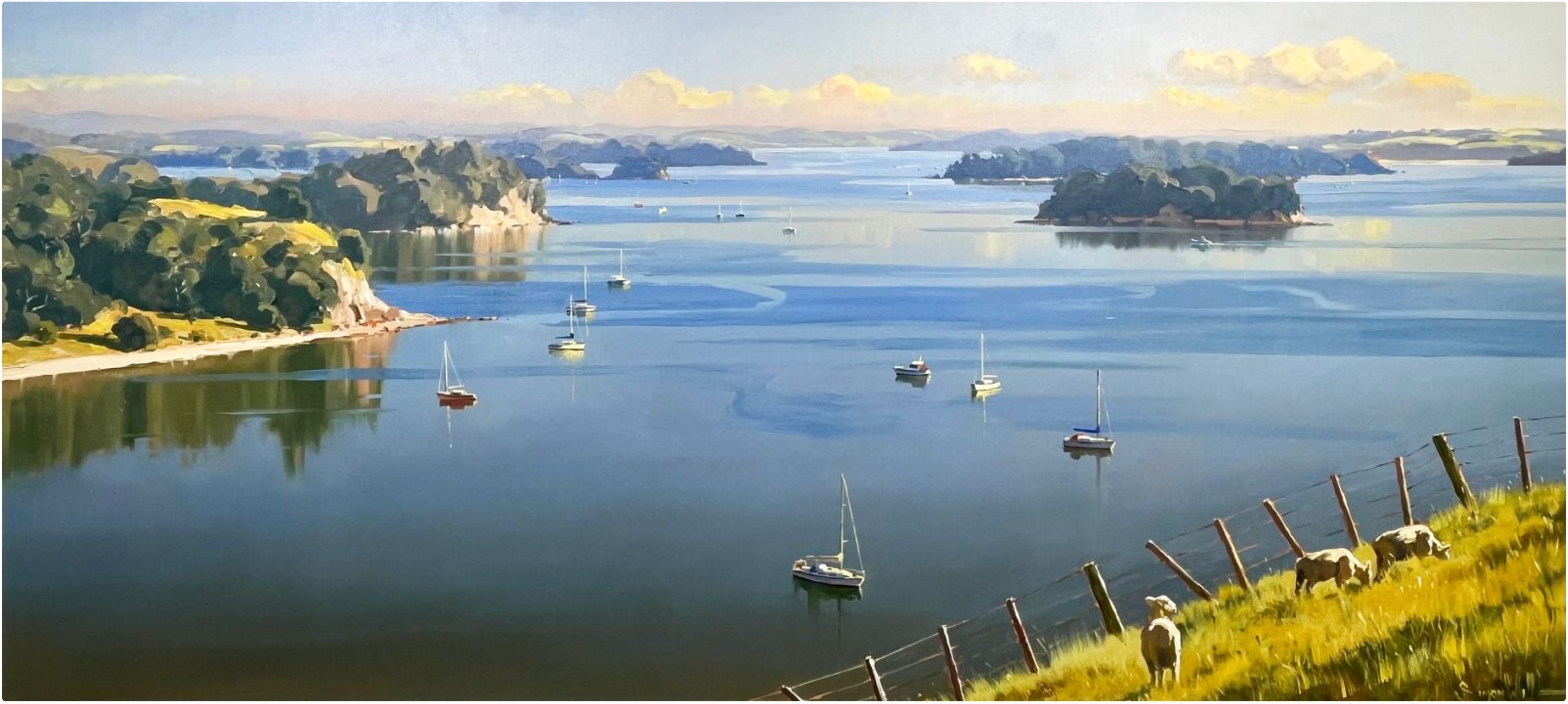
Third, there is a strong showing from artists associated with landscapes: Simon Williams, Marilynn Webb, Tom Burnett, and Annie Baird. What is interesting is that, despite the overlap in subject matter, their styles are quite distinct. That may be part of the appeal with collectors choosing to not just buy “a landscape” and instead they are buying a work that is clearly identifiable as being by that artist.
Fourth, as the number of total lots increases, maintaining a high sell-through rate becomes much harder. A deeper collector base is needed to absorb the supply. That is why a few artists particularly stand out.
John Edgar and Jenny Dolezel have already been mentioned. Robin White, the most notable name on the list, also falls into this category. On one hand, the strong results are not surprising with her deep institutional and collector recognition. On the other hand, maintaining a sell-through rate above 90% at sustained higher prices is more challenging, but reflective of her importance as a senior New Zealand artist.
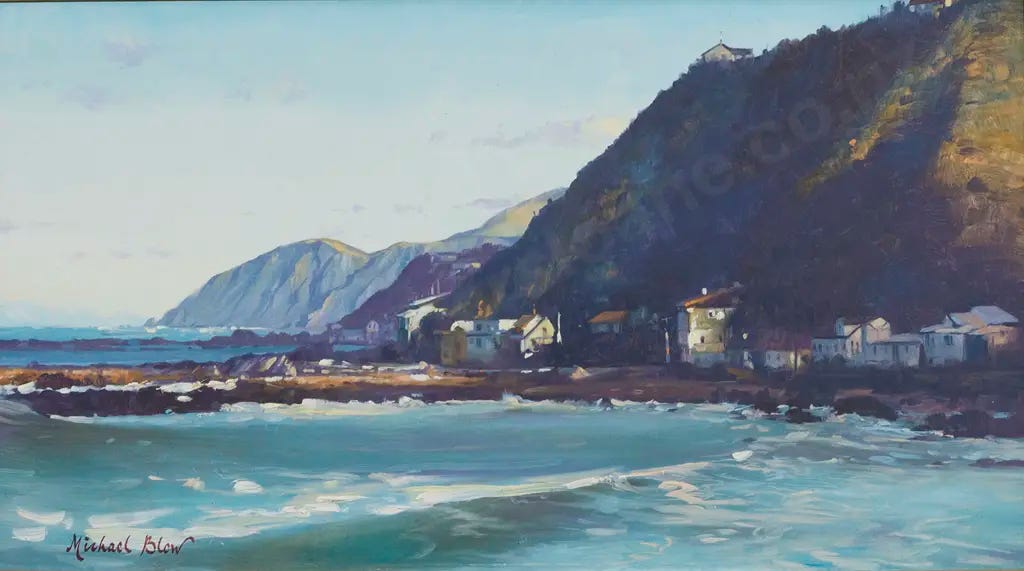
Finally, the last striking feature of the list is affordability. Yes, Robin White’s average price is over $20,000, and Pauline Yearbury, John Edgar and Jenny Dolezel sit at higher levels than many emerging collectors may be comfortable with. But several artists on the list have average sale prices below $2,000. Tom Burnett, Marilynn Webb, Annie Baird, John Douglas Perrett and Michael Blow have strong sell-through rates while remaining relatively accessible. That is an appealing combination and can be an indication of an overlooked artist that those in the know are jumping on.
Special mentions
Gillie and Marc Schattner also achieved a 100% sell-through rate over the period. I have excluded them from the main list because they are Australian and British rather than New Zealand connected artists, but their result is still worth noting. Their bronze and fibreglass dog sculptures have clearly found buyers at auction, even as their work has attracted more critical debate recently.
There are also several artists whose sell-through rates were just below the main list but still very strong. These artists are also worth exploring and include:
Ida Eise, Peter Beadle, Henry William Kirkwood, Ida Carey, Eion Stevens, Michael Parekowhai, Douglas Badcock, William Henry Allen, Ken Kendall, Arthur Dagley, Len Castle and Peter Collis.
What sell-through does (and does not) tell us
Sell-through rate is not a perfect measure. It does not tell us whether prices are rising or falling. It does not tell us whether estimates were set conservatively. It does not distinguish between major works and minor examples.
But it is still useful. At a basic level, sell-through tells us how interested collectors are in that artist and their works. When an artist clears 90% or more of their auction offerings over a five-year period, that is a meaningful market signal. Demand is broad enough to absorb supply, even when multiple works come to market. For collectors, that makes these artists worth watching.
I’ve limited the analysis to artists with at least 15 sold works over the period, ie. an average of 3 works sold each year, and at least one sale above $2,000. Sell-through rate is calculated as sold lots divided by total lots offered.