
Earlier in the week I shared some of my favourite New Zealand landscape artists whose works often sell for around $1,000. This second list turns to other subjects: portraiture, still life, abstraction, printmaking, and photography.
As before, these are all artists who appear regularly at auction and whose average prices sit below $1,500, often well below that. Taken together, the two lists are a reminder that collecting New Zealand art does not need to begin with a five-figure budget.
I’ll also be sharing my collecting ideas at the $5,000 and $10,000 price points, so subscribe if you’d like future editions with more art market insights and collecting ideas.
Here are 12 more artists for around $1,000 that are well worth considering:
Ida Carey (1891 - 1982)
Ida Carey belonged to an early generation of New Zealand artists and is best known for her portraits of Māori women. She undertook the remarkable project of painting every living woman with a moko, eventually completing more than 100 such works. That alone gives her an important place in New Zealand art history, but her still lifes and other portraits also have real appeal. They are colourful, direct, and often more striking than their prices suggest.
Shona McFarlane (1929 - 2001)
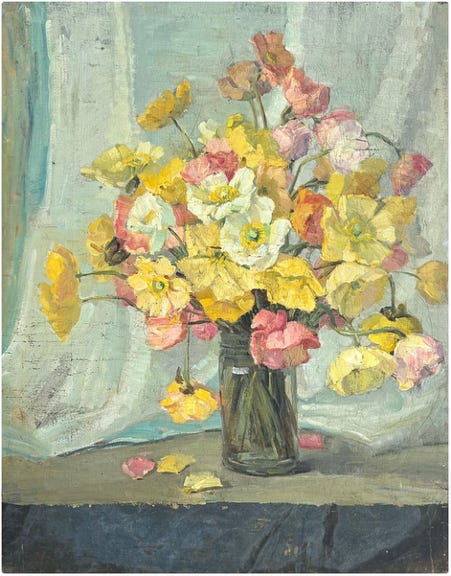
Shona McFarlane occupies an unusual place in New Zealand art because she was not just a painter, but a public figure as well. She wrote, taught, championed the arts, and later became widely known through television. But it is her still lifes that feel freshest to me. Her paintings of flowers, fruit, and vegetables have a looseness and immediacy that make them feel more contemporary than many people might expect.
Dick Frizzell (b. 1943)
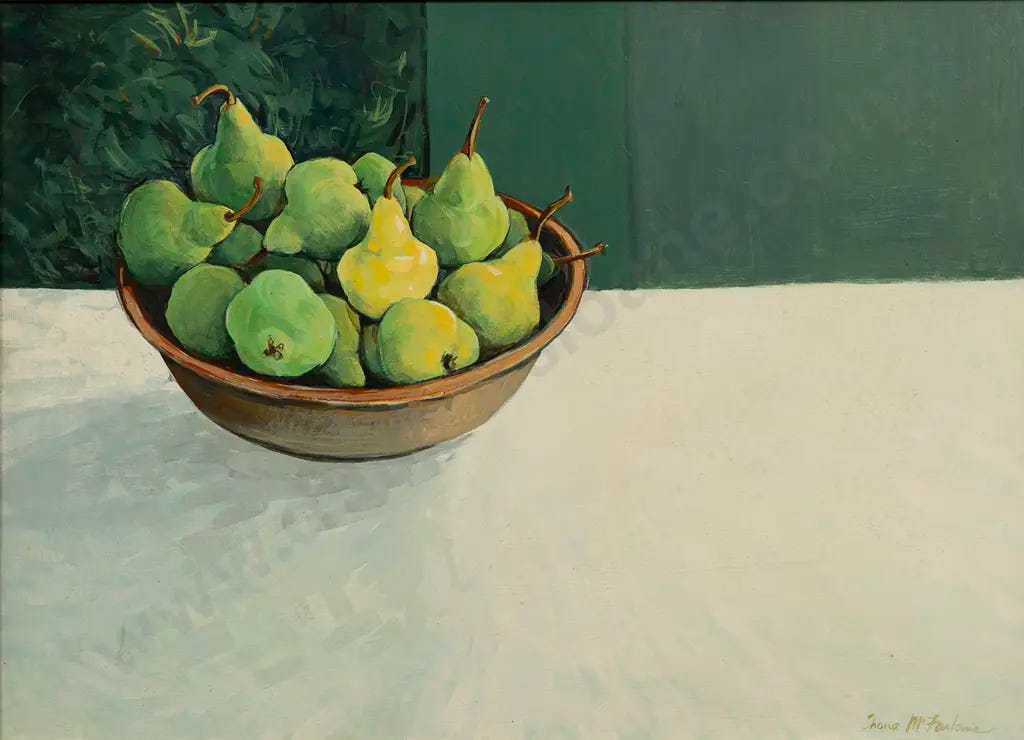
Like Smither in the first list, this is cheating a bit. Dick Frizzell is one of New Zealand’s most recognisable contemporary artists, and his major works sell for far more than this. But his prints remain one of the easiest and most enjoyable ways into a hugely influential career. For me, the most iconic are still the tiki works, the Four Square man, and the classic New Zealand recipes such as Lisa’s Afghans. They are clever, familiar, and unmistakably local.
Philippa Blair (1945 - 2025)
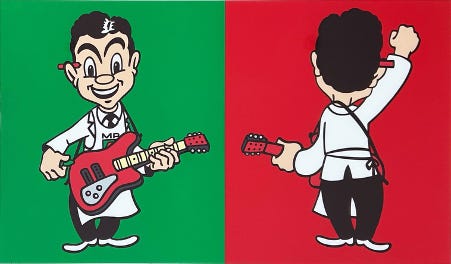
Philippa Blair is one of the stronger abstract names in this group. She is now better known for her larger and more sculptural works, which reach higher prices, but more standard paintings still sell for around $1,000. If you like the energy of Jackson Pollock without the price tag, Blair is a strong option.
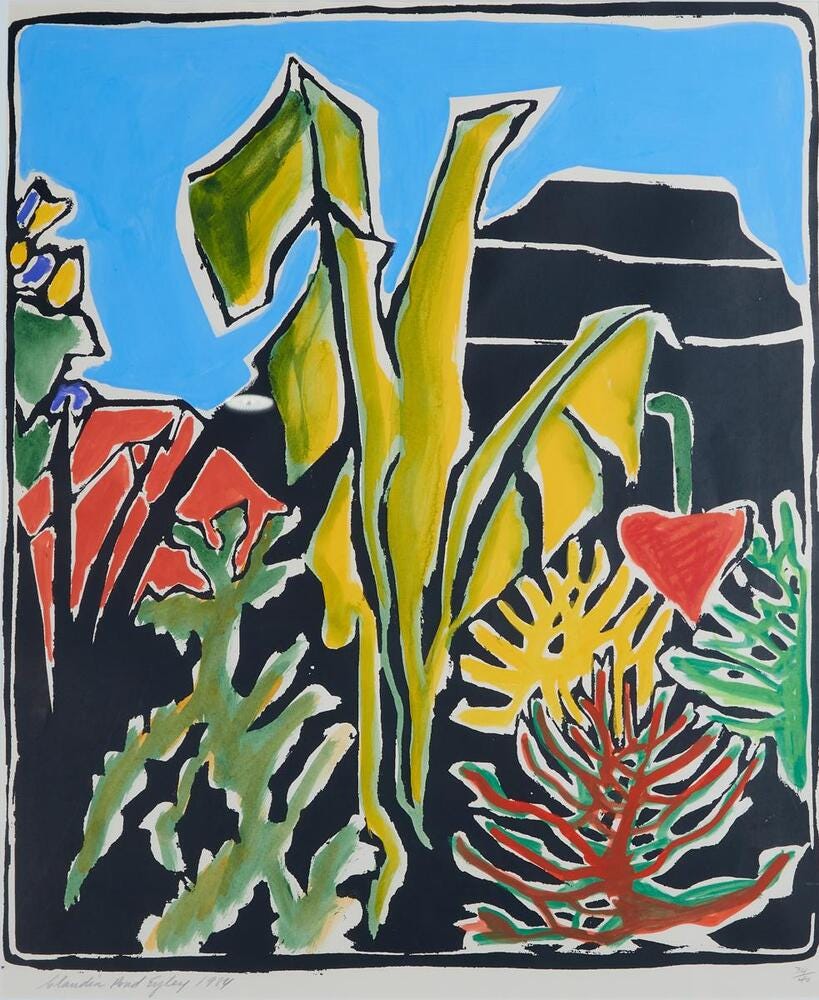
Claudia Pond Eyley (b. 1946)
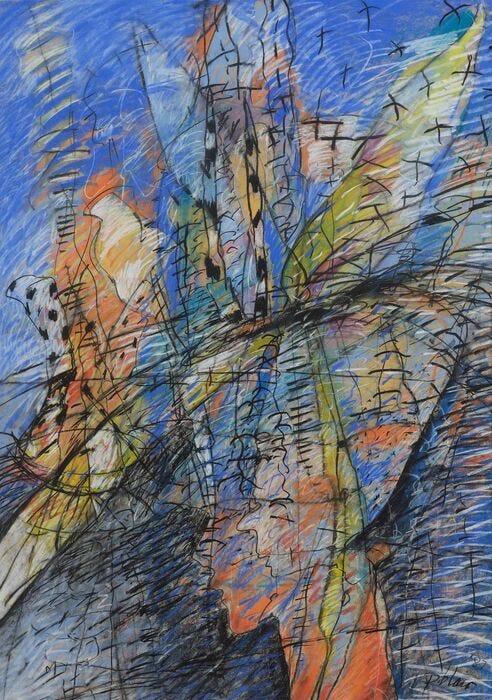
Claudia Pond Eyley is both an artist and a filmmaker, and the more accessible entry point is through her prints. These appear regularly enough at auction to make this list. I am especially drawn to the bright, bold colour in her garden landscapes and flower pieces. They have an immediacy that makes them easy to live with, while still feeling distinctive.
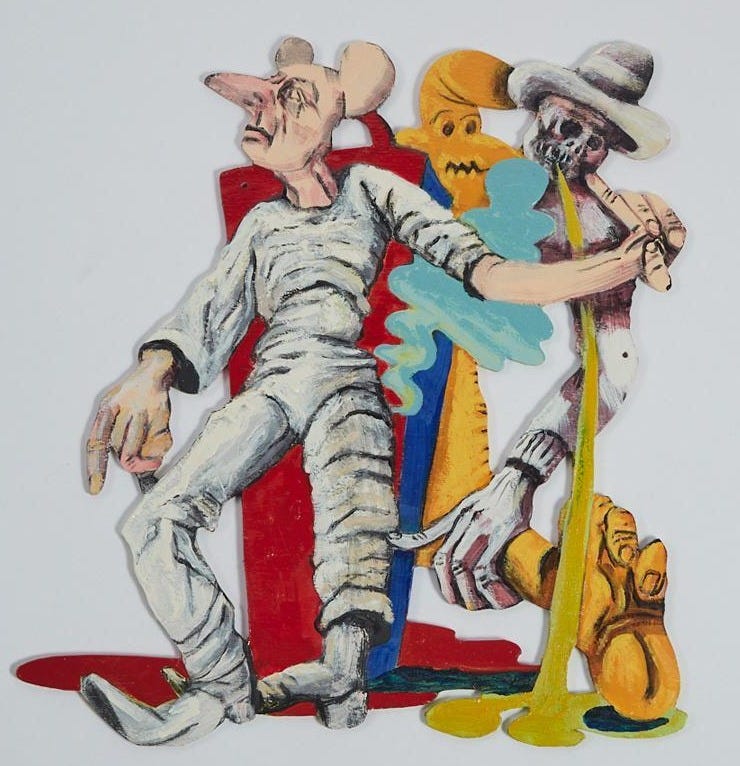
Robert McLeod (b. 1948)
Robert McLeod helped open New Zealand painting up to a more international abstract direction at a time when regional realism still held a strong grip. That gives him a more important place in New Zealand art history than his auction prices might imply. Although his work is mainly abstract, some later paintings bring in a cartoonish, unruly energy that makes them feel unlike almost anything else in New Zealand art.
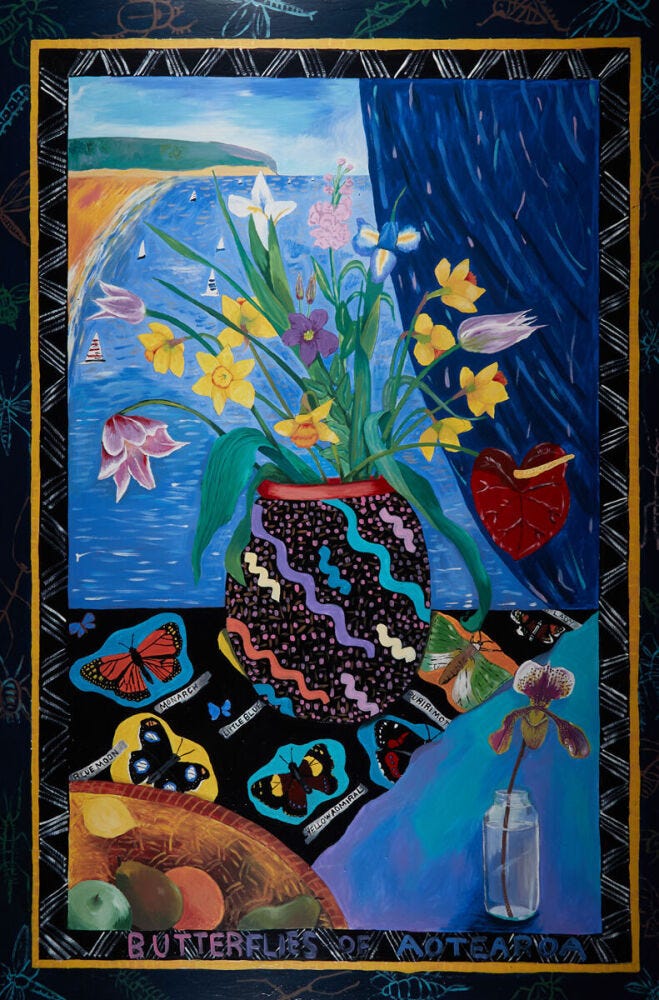
Pamela Wolfe (b. 1950)
Pamela Wolfe’s recent large oil paintings of flower arrangements can sell for around $10,000 at auction, but earlier works, especially prints, sell for much less. In fact, her prints often sell for between $100 and $500, making them one of the most affordable ways to buy into a well-established contemporary New Zealand artist. At those prices, they feel like a very easy yes.
Gavin Chilcott (b. 1950)
Gavin Chilcott belongs to the more playful and eclectic side of contemporary New Zealand art. Like Pamela Wolfe above, his best works can sell for more than $10,000, but his works on paper and prints often sell for between $100 and $500. They also tend to be a decent size, while also bringing colour, humour, and a certain visual busyness that can make a room feel more alive.
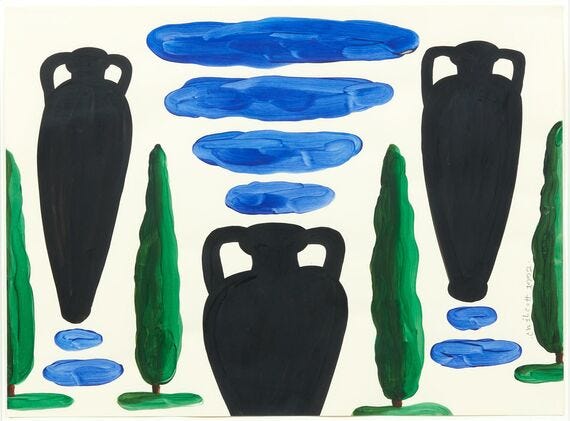
Eion Stevens (1952 - 2021)
Eion Stevens built a steady career from the late 1970s, exhibiting widely across New Zealand. His work often draws on literature and poetry while remaining abstract in feel. Later paintings became especially recognisable for their bold colours, repeated motifs, and shaped forms. He left behind over 2000 paintings with the stipulation that only 25 could be sold each year with the proceeds to donated to charities, so there will be buying opportunities for many years.
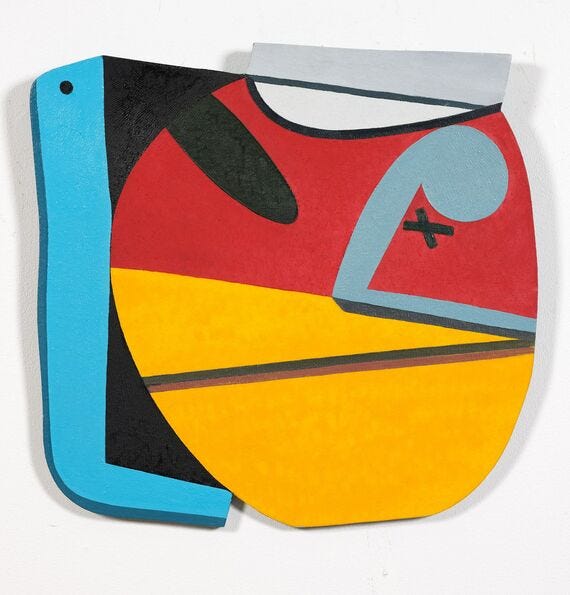
Anne Riethmaier (b. 1953)
Anne Riethmaier offers an accessible way into geometric abstraction. Her works are full of colour, with a palette that can feel slightly 1980s in the best way. She appears regularly at auction at approachable prices, making her a practical option for anyone wanting something fully non-representational without the Bridget Riley prices.
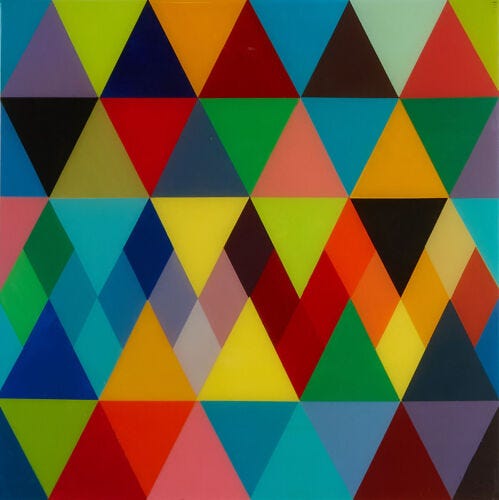
Jason Greig (b. 1963)
Jason Greig is one of the strongest printmakers on this list. Best known for monoprints, his work feels darker and stranger than most New Zealand art, drawing on gothic imagery, old masters, poetry and heavy metal in equal measure. He also has the kind of cult status that comes from being an artist other artists talk about. That makes his works on paper feel like a very good buy at these prices.
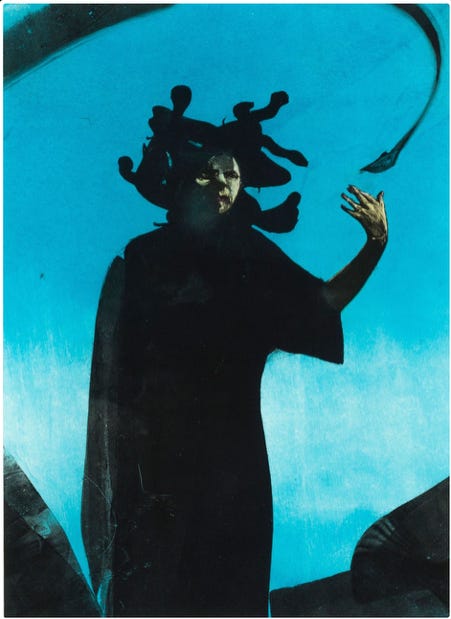
Emma Bass (b. 1967)
For anyone interested in photography, Emma Bass offers an interesting and affordable entry point. After a long career in commercial photography, she turned to her own practice, creating elaborate floral still lifes that draw on the symbolism and drama of historical painting while still feeling distinctly contemporary.
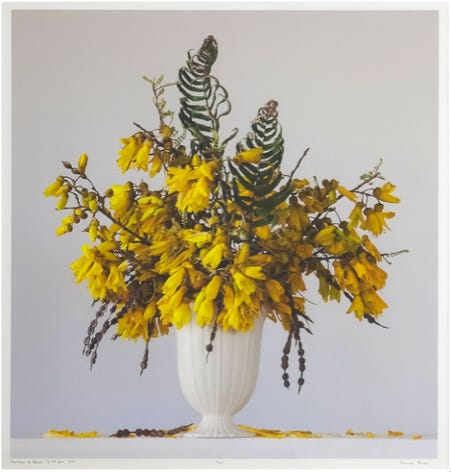
Taken together, these artists show just how much range still exists at the lower end of the market. You can buy into an early generation of New Zealand art through someone like Ida Carey, pick up strong contemporary prints by artists such as Dick Frizzell or Jason Greig, or go in a more abstract direction with Philippa Blair, Robert McLeod, or Anne Riethmaier.
My own favourites here are Shona McFarlane and Jason Greig. McFarlane’s still lifes feel fresher and more contemporary than many people might expect, while Greig’s monoprints carry a darker, more mythical charge than much else in New Zealand art.
The bigger point, though, is that good New Zealand art still exists at prices that feel manageable. You do not need to start at the top end of the market to start buying well.