
Last week we looked at the New Zealand artists who (almost) always find buyers at auction. This week, we’re taking a look at the Australian auction market.
As a reminder, in auction language, the “sell-through rate” is the percentage of auctioned works that find a buyer. Those that fail to sell are usually described as being “passed in”. In that scenario, the bidding did not reach the reserve and the seller wasn’t prepared to sell at a lower price.
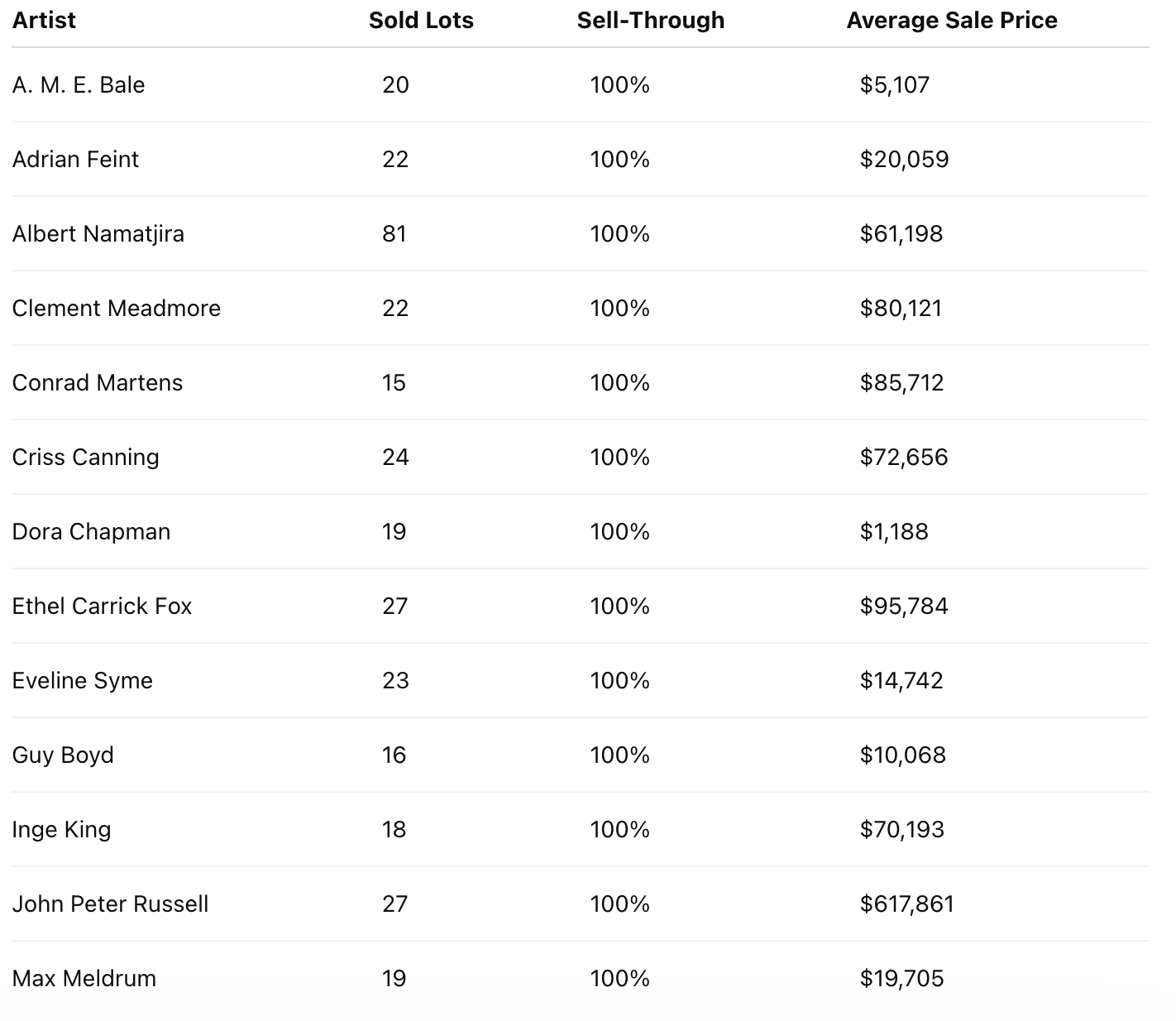
Below are 13 Australian or strongly Australian-connected artists who achieved a 100% sell-through rate over the five period between 2021 - 2025.1 In each case, every lot offered found a buyer. That does not mean every work soared above estimate, or that every artist is suddenly undervalued. But when every work by an artist sells over a sustained period, it is worth paying attention.
Near-perfect results
A further group of artists did not quite reach 100%, but still achieved very strong sell-through rates of 94% or higher. A sell-through rate that high across a meaningful number of lots is still very strong. The difference between that and 100% is only one or two unsold works. That is not enough to change the underlying message that collectors are highly engaged when works by these artists come to auction.
The more established or better-known names include Barry Humphries, Sally Gabori, Yvonne Audette, Grace Cossington Smith, Rover Thomas Joolama and Bertram Mackennal. Other names include Ludwig Hirschfeld-Mack, Aileen Brown, Graham Fransella, Kim Westcott, Eric Thake, Ellis Rowan, James Alfred Turner and J. H. Scheltema.2
This near-perfect group also broadens the picture. It includes major modernists, First Nations artists, printmakers, colonial and early Australian painters, sculptors and even Barry Humphries, whose market sits somewhere between art and celebrity cult status.
A different kind of list
The first thing to note is that the artworks by these artists are already commanding high prices. The New Zealand sell-through list was interesting partly because many of the artists remained accessible to collectors at relatively modest price points. The Australian version is different. Here, the median artist has an average sale price of roughly $60,000, and John Peter Russell’s average price sits above $600,000.
But it’s not all the typical names like Brett Whiteley, Sidney Nolan, Fred Williams, Arthur Streeton or Arthur Boyd (aside from John Peter Russell). That’s partly because most of those names have had 100s of works auctioned off, making it hard to maintain perfect (or near perfect) sales. It’s also because collectors have sought out interesting buying opportunities across under-represented categories, including women and First Nations artists.
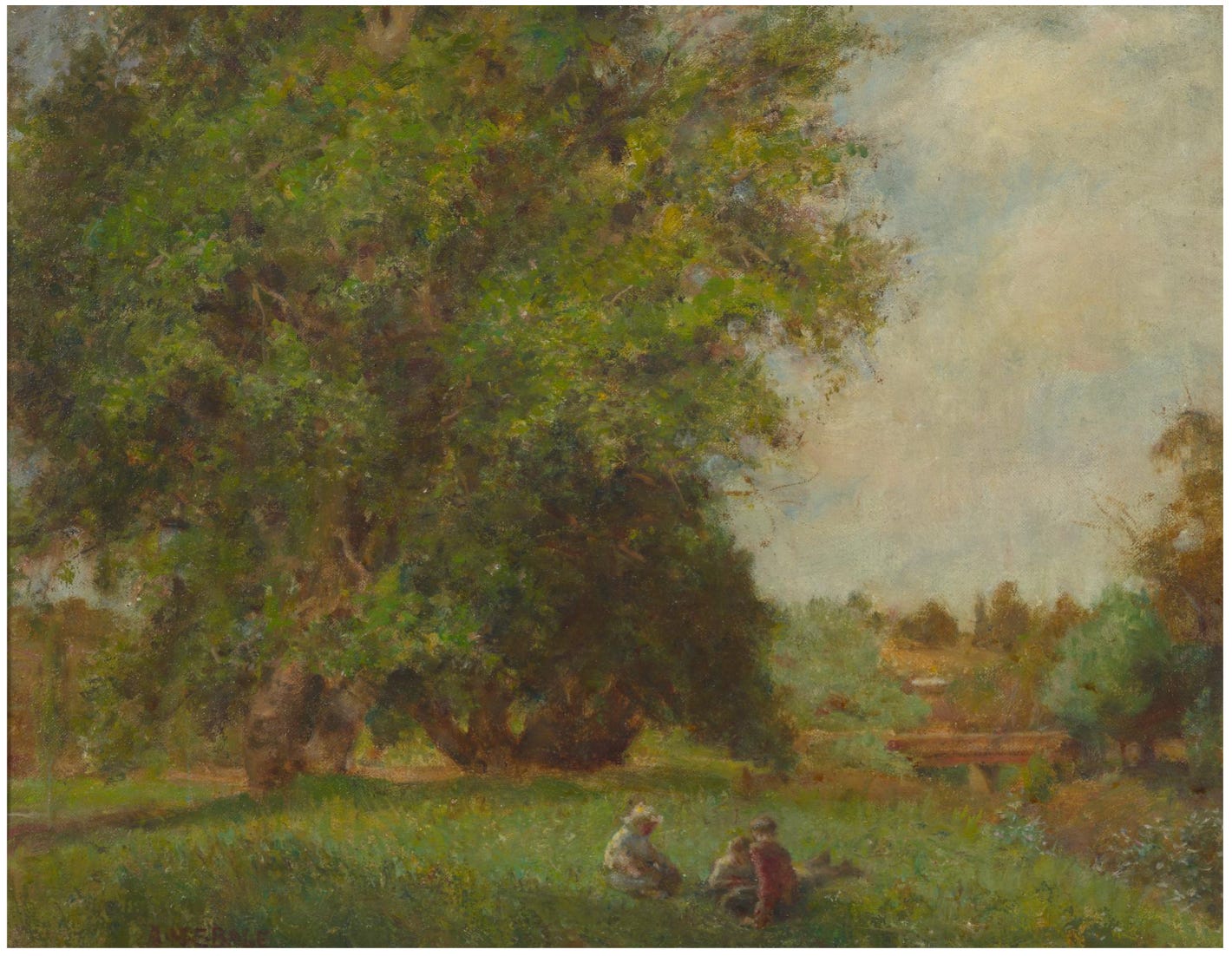
While the headline names are impressive, the lower-priced artists may be where many collectors should spend more time looking. Dora Chapman, Alice Bale (often referred to as A. M. E. Bale), Guy Boyd, and Eveline Syme all achieved perfect sell-through rates while sitting at average prices well below the top tier of the list. There are further affordable names from those with near perfect results: Aileen Brown, Graham Fransella, Kim Westcott, Eric Thake, and Ellis Rowan.
That does not automatically make them bargains. Sell-through alone cannot tell us whether prices are low, fair or high. But it does tell us that works by these artists are being bought up by the market when they appear. It suggests there is already demand, but not necessarily with the kind of pricing that pushes the artist beyond reach.
The historical names are clearing
Several of the strongest performers are nineteenth-century born artists whose body of work may be in more limited supply. Conrad Martens, Ethel Carrick Fox, John Peter Russell, Max Meldrum, Adrian Feint, Alice Bale and Eveline Syme all fall broadly into this category.
It would be easy to say that these artists already have established reputations. But the reality is that, even now, many of these artists are still being reassessed. The market appears to be increasingly recognising the importance of artists who were overlooked or under-priced.
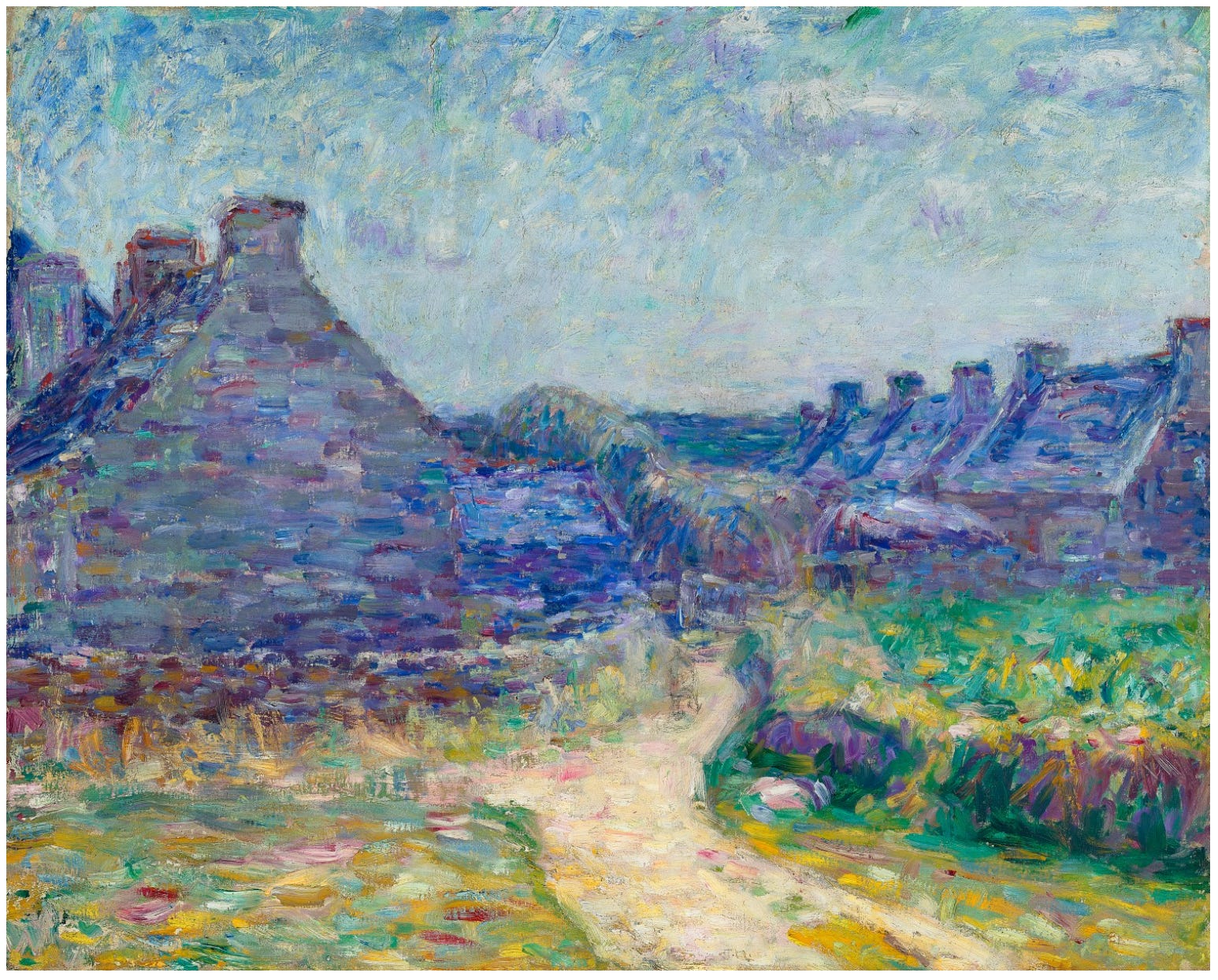
John Peter Russell is a good example. He has been known as the “lost impressionist” for some time but it’s only recently his market results are recognising the scale of his international importance: a decade ago his works were frequently passed in and those that did sell could often be bought for under $20,000. Now, you’re lucky to find anything under $100,000.
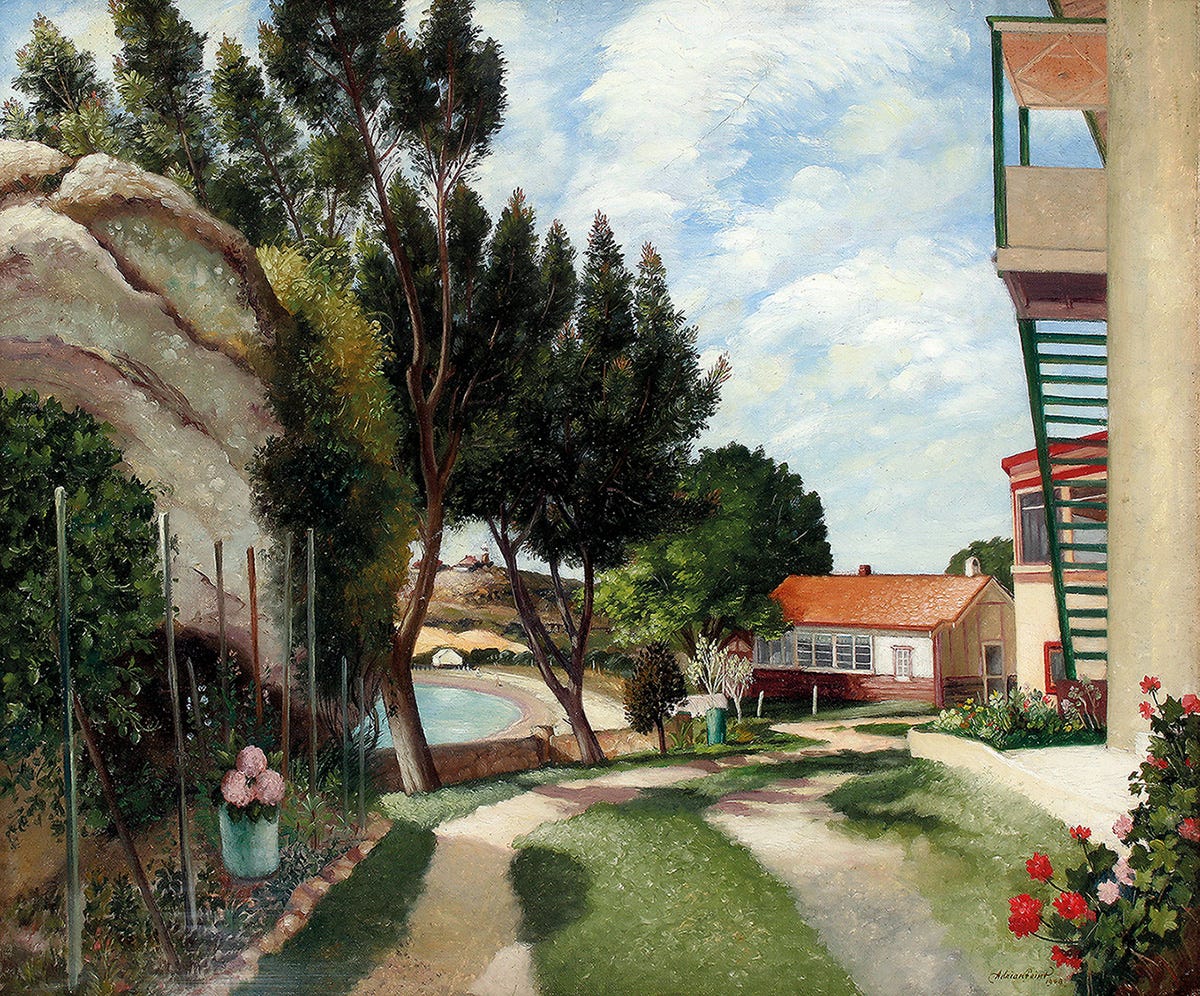
Another example is Adrian Feint whose works came back into focus after the publishing of a book showcasing this “unjustly neglected artist” and an extensive exhibition of his work in 2018. His works often sold for under $5,000 before 2020, but now the median price is above $20,000.
One thing working in these artists’ favour is that, over time, the available supply of their work tends to decrease as it is lost or sold into public institutions. That often makes the remaining works more desirable when they do appear at auction.
Women artists are strongly represented
Another interesting aspect of the list is the number of women artists.
Alice Bale, Criss Canning, Dora Chapman, Ethel Carrick Fox, Eveline Syme and Inge King all achieved 100% sell-through. Others that achieved sell-through rates of 95% or higher include Aileen Brown, Sally Gabori, Yvonne Audette, Grace Cossington Smith, Kim Westcott and Ellis Rowan. That is a significant representation of women artists.
It reflects, in part, the broader reassessment of women artists within Australian art history, some of which also overlap with the focus on artists from the 1800s. Collectors are increasingly alert to artists who may have been under-recognised relative to their male peers, particularly where the work is strong, and institutional attention has been increasing.
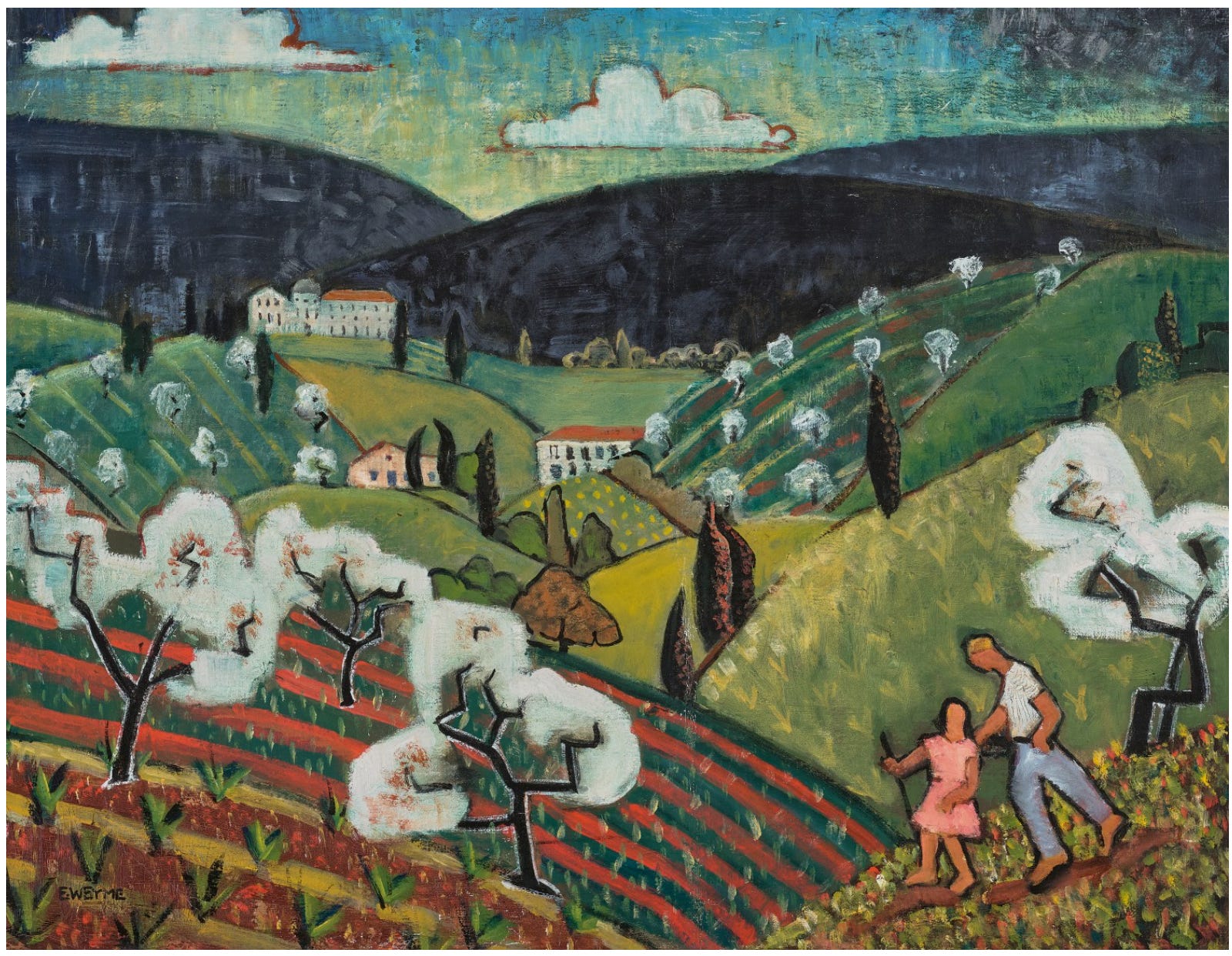
I think Criss Canning is an interesting example of being less “rediscovered” and more market re-rated. AASD noted that her auction record was only $42,000 in November 2021, then rose to $185,000 in 2023, and again to a $330,000 hammer price in 2025. It described her as continuing “to rise and live large in the auction room.”
Women artists also appear across the full price spectrum. Dora Chapman’s average price is only $1,188, making her one of the most accessible artists on the list. Alice Bale also remains relatively approachable, with an average price just above $5,000. At the other end, Ethel Carrick Fox, Inge King and (as already noted) Criss Canning are already trading at far higher levels.
That spread is useful for collectors as it suggests that the revaluation of women artists is not confined to one part of the market. It is happening across multiple generations and mediums, with price points that many collectors can still access.
Sculpture also stands out
Another notable feature is the strength of sculpture amongst these artists. Clement Meadmore, Inge King, and Guy Boyd all achieved 100% sell-through rates. Meadmore and King sit at much higher average price points, while Boyd appears more accessible, but the shared pattern is worth noting as sculpture can sometimes be a harder category at auction. It is less easy to hang, often more difficult to install, and can be more demanding for collectors in terms of space. Yet these results suggest that the market is willing to absorb works by the right sculptors when they appear.
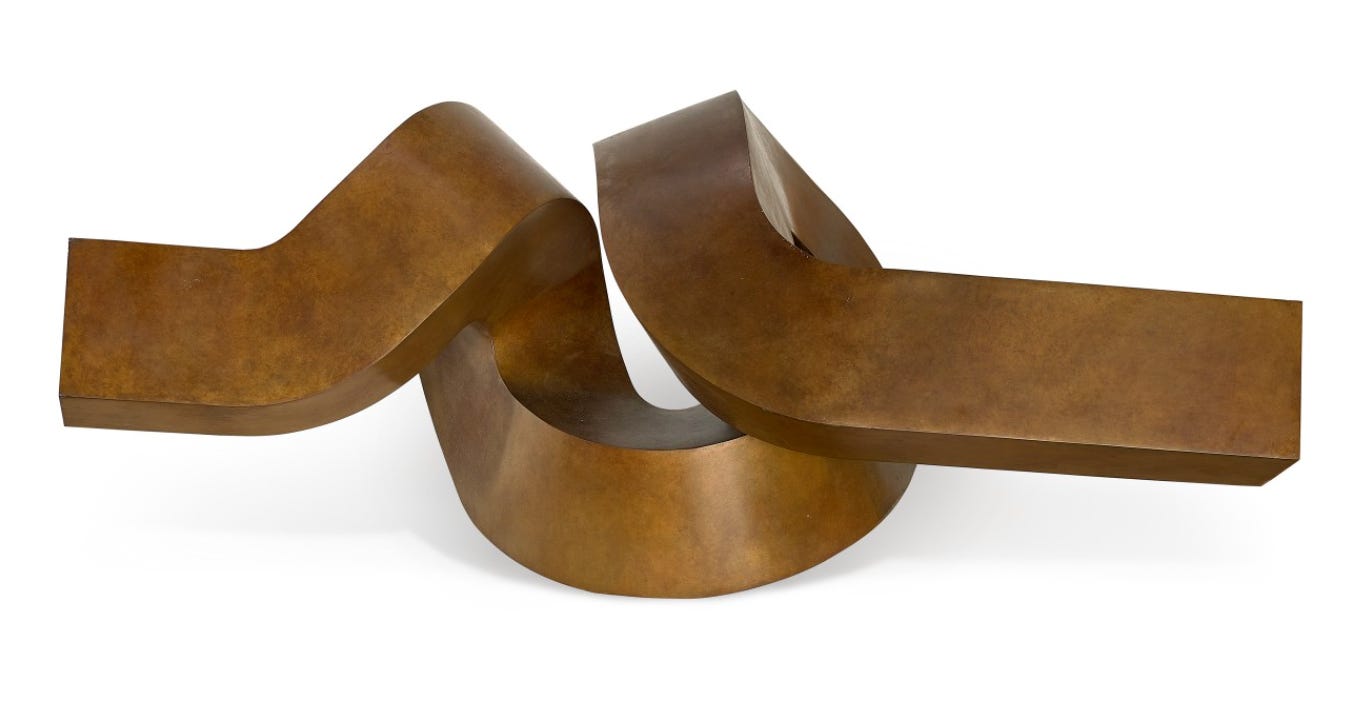
Meadmore and King in particular occupy strong positions in Australian modern sculpture. Their works are visually distinctive, institutionally recognised and relatively finite in supply. That combination helps explain why collectors continue to respond.
First Nations artists remain deeply sought after
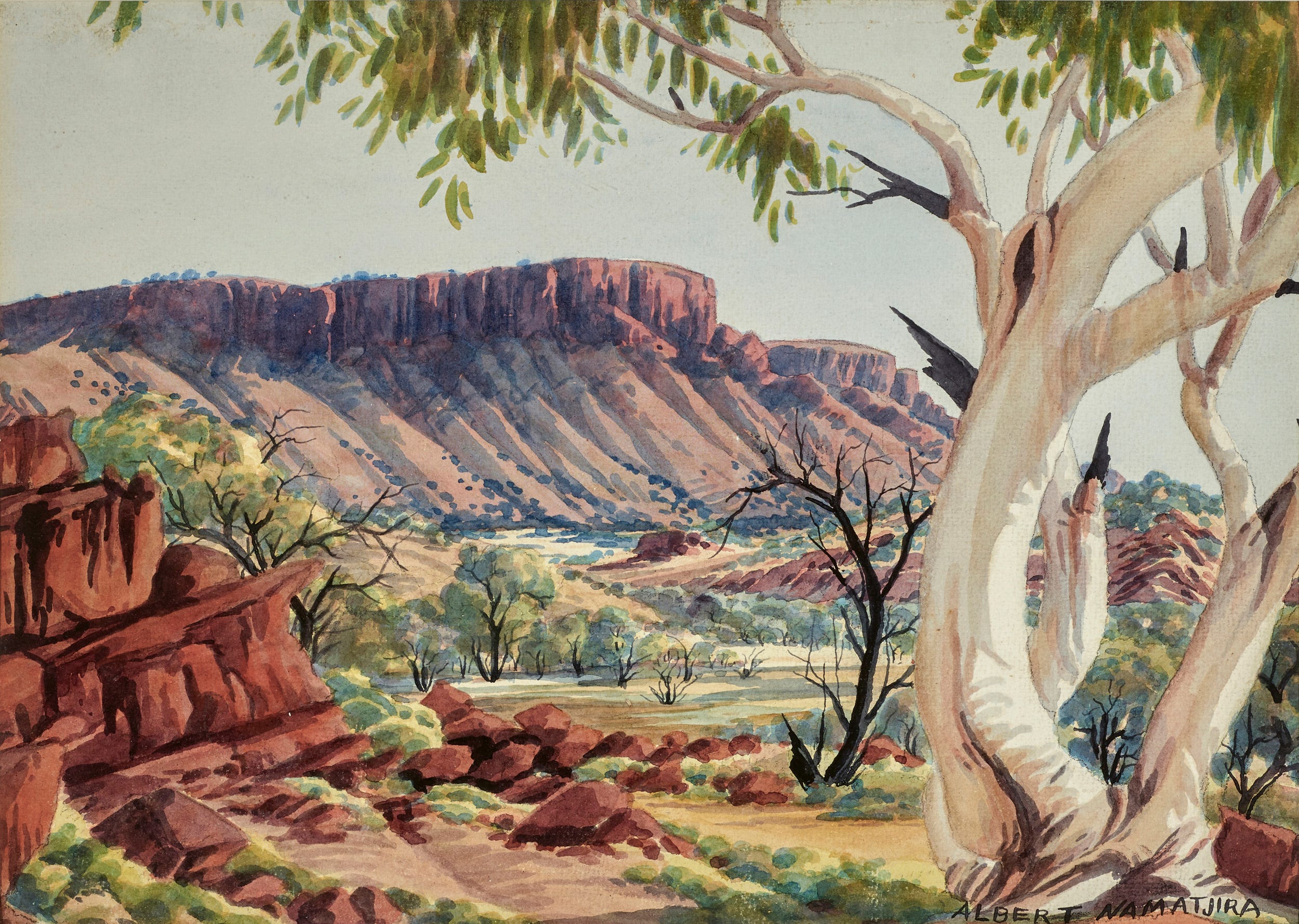
There is high demand for the strongest First Nations artists. Works by Albert Namatjira have consistently sold despite steadily increasing prices. Namatjira’s result is especially striking because of the volume with eighty-one works being offered, and all 81 sold. That suggests a broad and highly active collector base for his work, supported by his status as one of the most recognisable and important First Nations artists of the twentieth century.
This strength extends beyond the 100% list with Sally Gabori and Rover Thomas Joolama each achieving a sell-through rate around 95%. And a number of other artists including Emily Kame Kngwarreye, Bill Whiskey Tjapaltjarri, Paddy Nyunkuny Bedford, and Yannima Tommy Watson achieved around 90%. Taken together, these results show the continued depth of collector interest in major First Nations artists, particularly those with strong institutional recognition and clearly defined places within Australian art history.
What perfect sell-through tells us
A 100% sell-through rate is a compelling number. But it does not tell us whether estimates were conservative. It does not tell us whether works sold above or below expectations. It does not distinguish between a major painting and a minor work on paper. And it does not guarantee that prices will rise in future.
But when every lot by an artist sells across a meaningful number of auctions, there is clearly demand. The market is often rewarding scarcity, historical importance, institutional recognition and collector familiarity. It can also signal the significance of those artists being re-interpreted. Together, those factors can sometimes support stronger prices over time.
That may not make every artist on this list a buying opportunity. Many are outside the price range of the average collector. But it does make those artists and their works worth watching.
I’ve only included results from artists with 15 or more sales, ie. more than 3 sales each year on average.
I’m well aware that it’s questionable calling artists such as Ludwig Hirschfeld-Mack, Eric Thake, and Ellis Rowan as not well known. The distinction between “well-known” and “other” names is intended as a broad guide for newer collectors, rather than a formal ranking of artistic importance.
most interesting.