
This analysis is an excerpt from the 2025 Australian Fine Art Auction Market Report. A comprehensive, data-driven review of the year’s key results, trends, and pricing signals. Highlights from the report were previously covered here.
Across the global art market, there has been a noticeable shift towards artists whose reputations are already well established, whose best periods are understood, and whose bodies of work are largely complete. That preference also showed up clearly in Australia in 2025. The strongest parts of the market were where buyers felt they could judge quality with confidence.
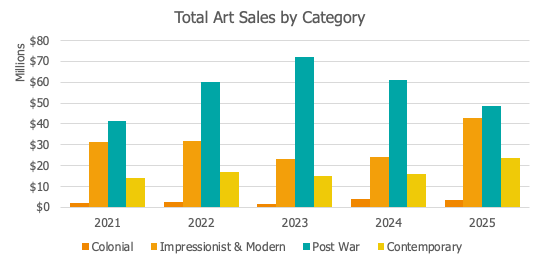
That explains the numbers below. Post War artists remained the backbone of the market. Impressionist & Modern artists had a major step-up at the top end. Contemporary art also performed well, but the gains were highly concentrated in proven names, especially Howard Arkley.
Post War (born 1911–1944)
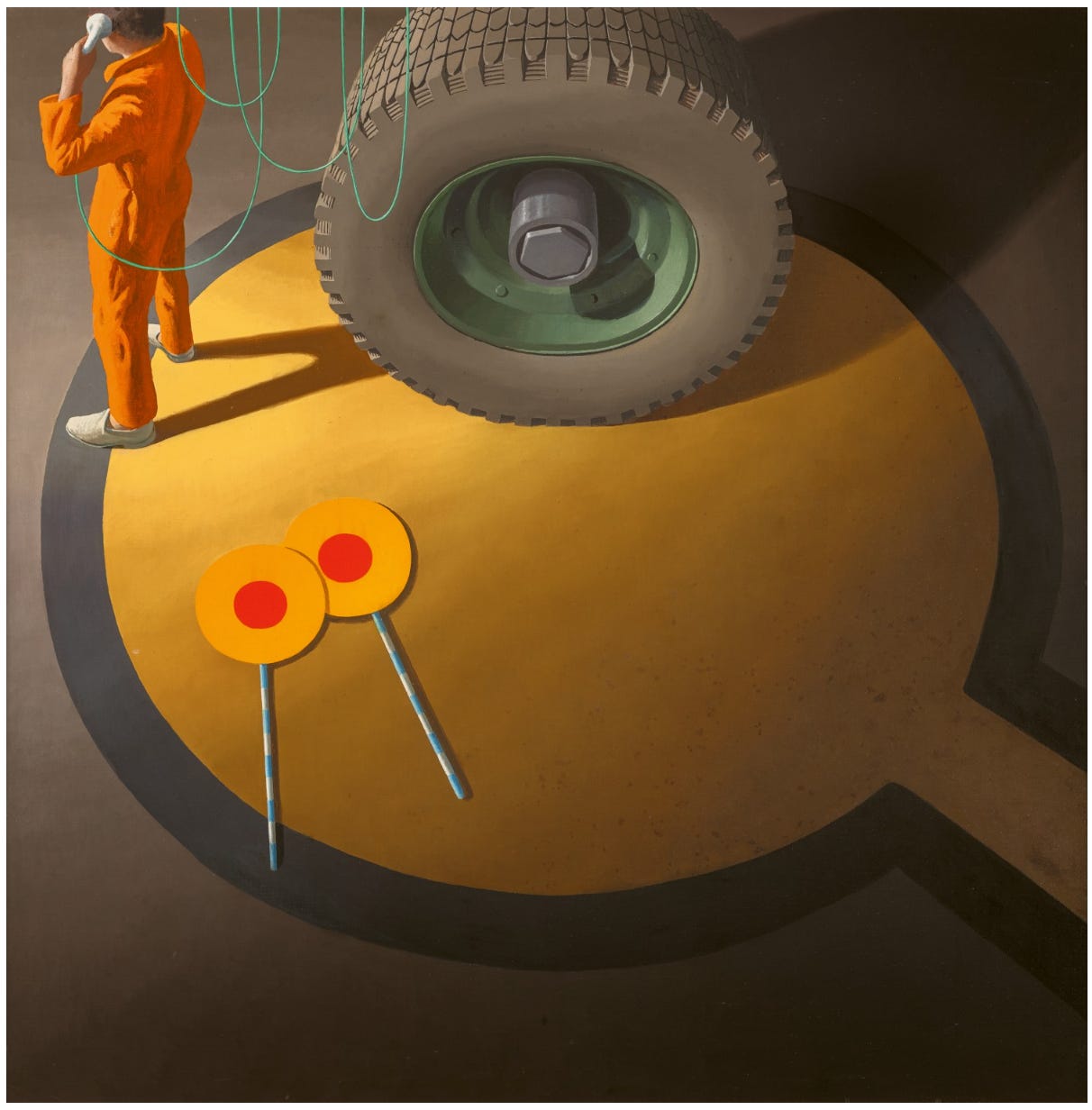
Post War artists (born 1911–1944) remained the most consistent and commercially important segment of the Australian auction market in 2025. The category generated just under $50m in sales, down on 2024, but still the highest performing category. It continues to be supported by a deep bench of highly liquid names including Brett Whiteley, Sidney Nolan, Fred Williams, Arthur Boyd, Russell Drysdale and Jeffrey Smart. Notably, only two of the ten most expensive works in 2025 came from Post War artists, but that reflects the category’s breadth: sales are being delivered through volume and depth, not just a handful of headline lots.
Impressionist & Modern (born 1851–1910)
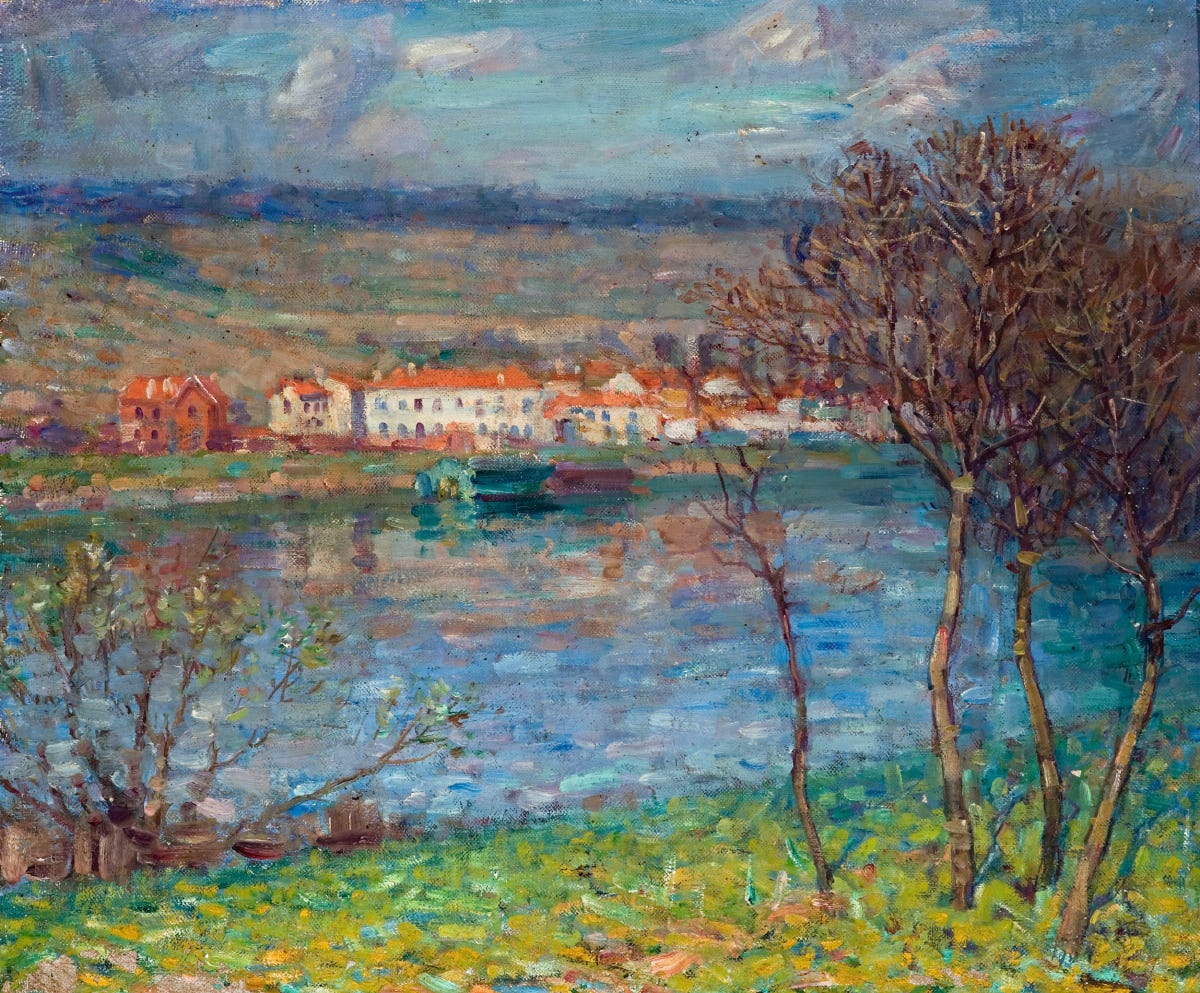
By contrast, the Impressionist & Modern (born 1851–1910) saw a sharp step-up in 2025, reaching 36% of total sales (up from 23% in 2024). John Peter Russell was the standout driver, supported by Frederick McCubbin, Arthur Streeton, Grace Cossington Smith, and Emily Kame Kngwarreye. The category also dominated the very top end: four of the top ten results came from Impressionist & Modern artists, and 21 works sold for more than $500k (including six above $1m). That compares with just 6 works above $500k in 2024. The sell-through rate was also strong at 81% in 2025, broadly in line with the five-year average.
Contemporary (born 1945 or later)
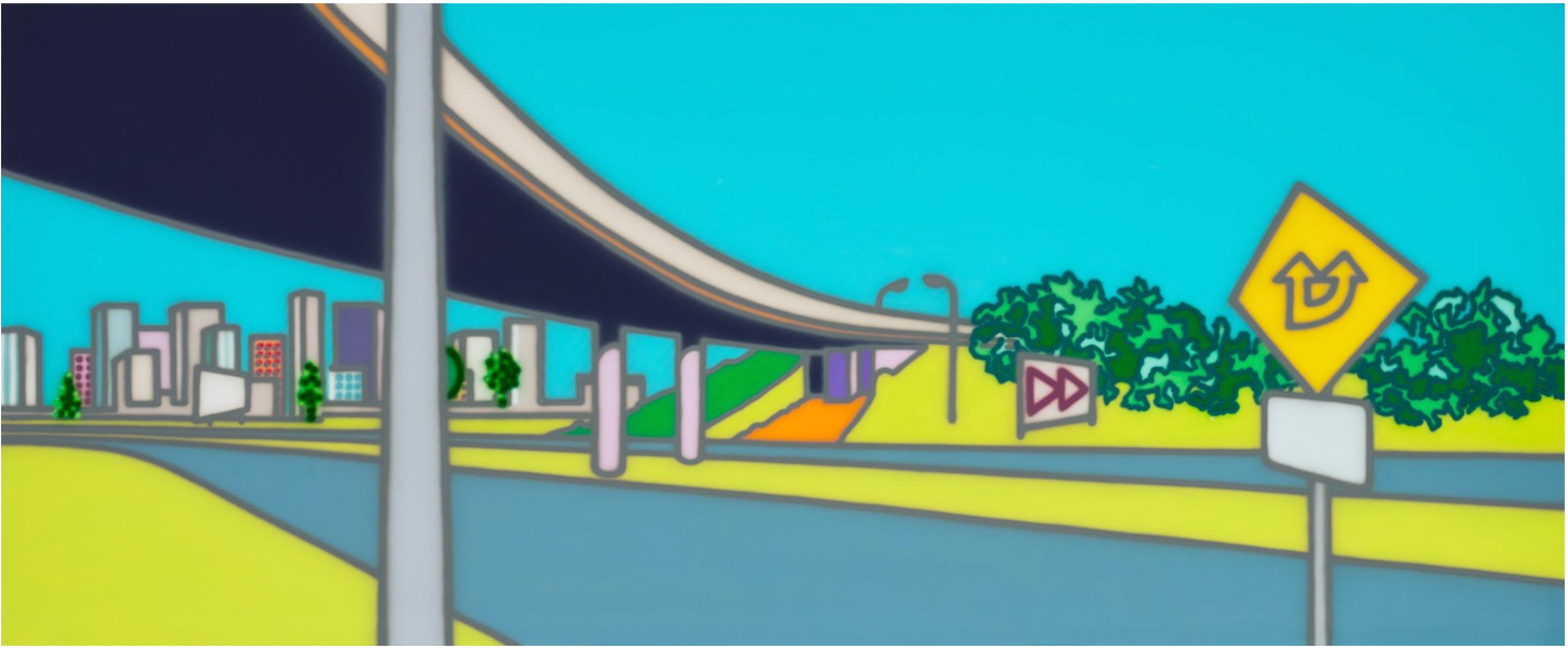
Contemporary artists (born 1945 or later) delivered their strongest year of the past five years, accounting for 20% of total sales. But that share was heavily concentrated. Howard Arkley alone contributed 45% of Contemporary sales value, reflecting strong demand for his work, with four lots appearing among the 10 most expensive works across all categories. Bronwyn Oliver was the next strongest Contemporary artist, with two works selling for more than $500,000.
There is also an interesting tension within the Contemporary category: much of the strongest demand is for artists who are no longer alive. Arkley and Oliver are the clearest examples, but the same pattern can be seen with Joel Elenberg and Lin Onus. For these artists, supply is permanently limited, with collectors competing for a finite pool of existing works.
Even with the rise in total sales value, Contemporary art’s sell-through rate remained comparatively soft at 67%, below the wider market average. This suggests that demand is highly selective: strong for major works by established names, but less consistent across the broader Contemporary category.
Colonial (born 1700–1850)
The Colonial category (born 1700–1850) was boosted by two Francesco Guardi works in Leonard Joel’s sale of Old Master paintings from the Robert Compton Jones Collection. Beyond those highlights, 2025 lacked notable supply of Australian Colonial material, limiting the category’s overall impact.
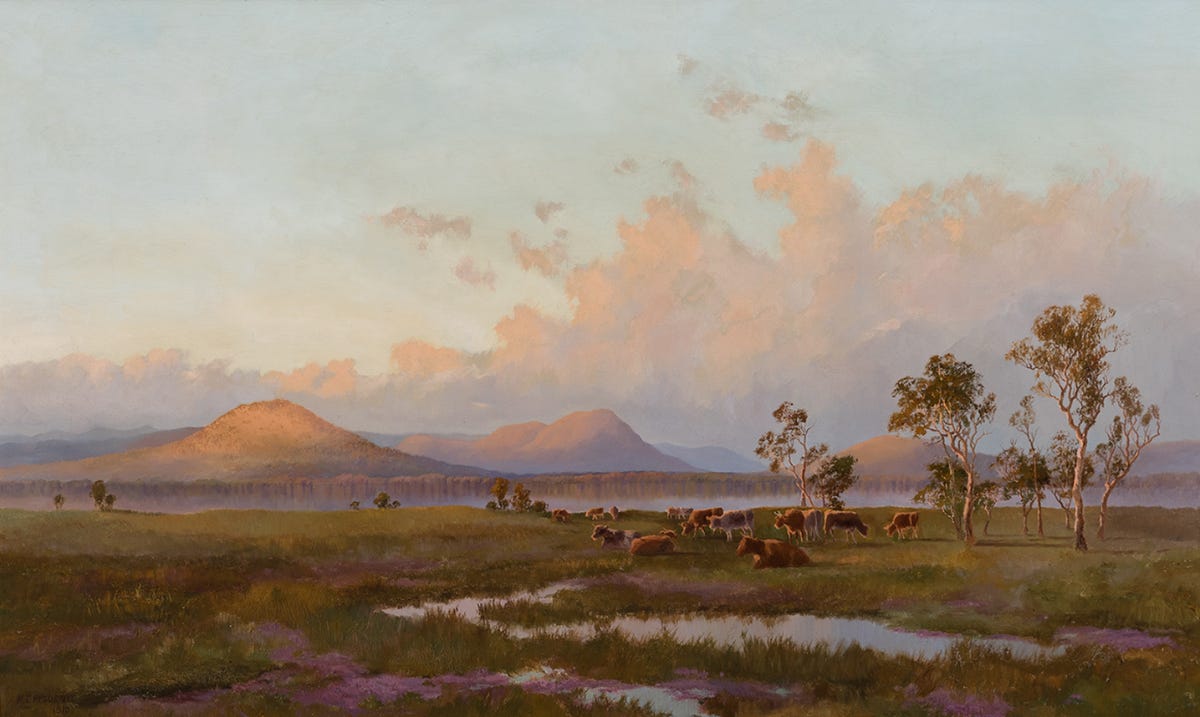
Overall, 2025 was a market that rewarded certainty. Earlier art benefited because reputations, periods and quality markers are more clearly defined. While the strongest results in contemporary art came from proven names and exceptional works.
2026 so far belongs to the Post-War names
The article above was written for the 2025 Australian Fine Art Auction Market Report. But we’re already well into 2026. So how is this year shaping up? The top end of the 2026 market is already offering some clues.
Of the ten most expensive works sold so far this year, six are by Post-War artists: Brett Whiteley, twice, along with Sidney Nolan, Russell Drysdale, Fred Williams and Jeffrey Smart. Two are from the Impressionist and Modern category, by Grace Cossington Smith and John Peter Russell, while the remaining two are Contemporary works by Howard Arkley.
Methodology: Data has been compiled from six Australian auction houses: Art Leven, Bonhams, Deutscher and Hackett, Leonard Joel, Menzies, and Smith & Singer. The analysis covers auctions held between 1 January 2025 and 31 December 2025 and includes only sales primarily focused on fine art. Approximately 0.5% of sales did not have an artist birth date recorded and have been excluded from this analysis